| Product Characteristics |
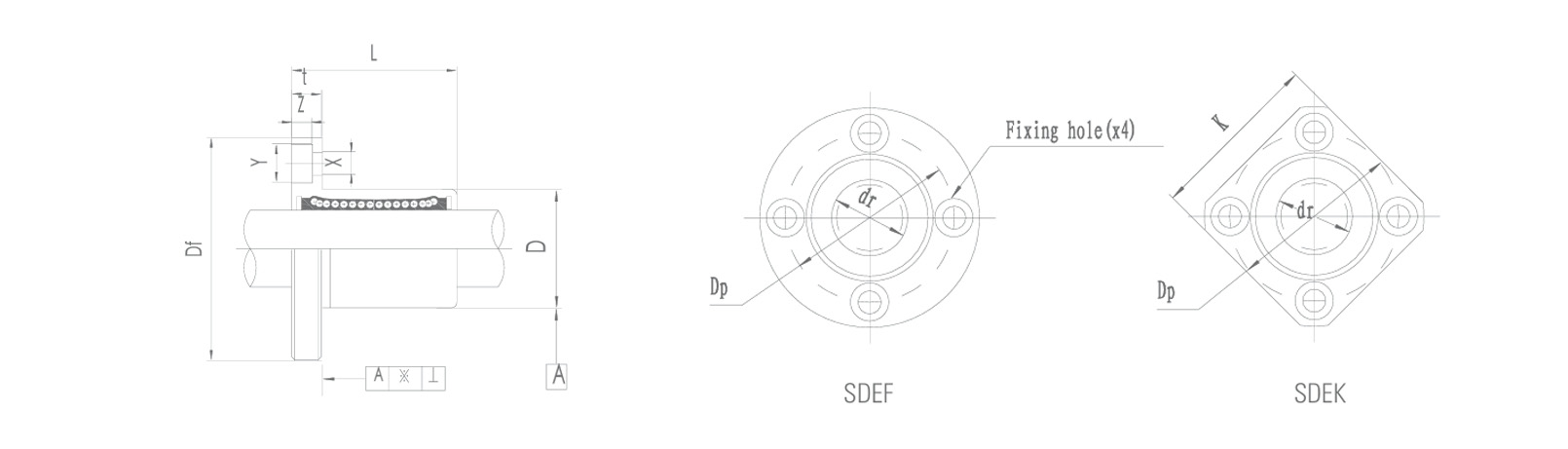
SDEF-UU (Steel European Standard Round Flange Type) |
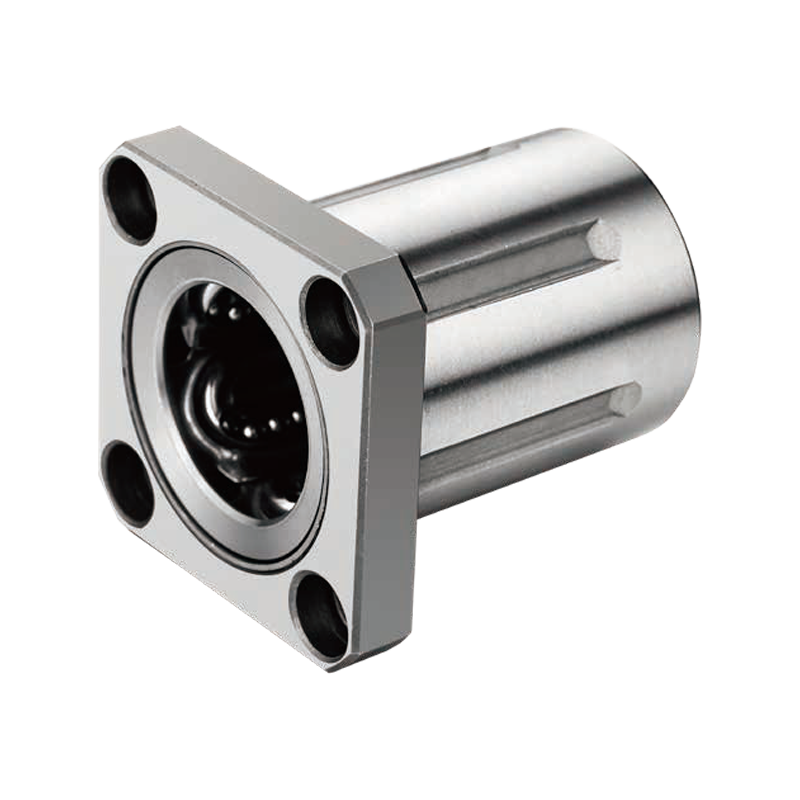
SDEK-UU (Steel European Standard Square/Rectangular Flange Type) |
Core Selection Criteria |
| Core Positioning |
A standard flange solution featuring European standard interfaces, compact installation and high performance. |
European standard interface, extreme rigidity, reinforced flange solution for heavy-duty torque resistance. |
Requires European standard interfaces and flange mounting; select the F-type or K-type based on torque requirements and available space. |
| Standardised Interfaces |
Fully compliant with European standards. The flange diameter, bolt circle diameter (PCD) and thread specifications (e.g. M6, M8) are fully compatible with European automation components (motors, brackets), allowing for direct installation. |
Same as SDEF-UU, featuring a standard European interface. |
This serves as the ‘passport’ to high-end European supply chains and projects, ensuring seamless integration. |
| Flanges and Installation |
Circular European standard flange. Compact design, easy to install, offering greater stability than standard bushings. |
Square/rectangular European standard flanges. Offering an exceptionally large mounting surface and high resistance to overturning moments, this is the robust, heavy-duty choice within the European standard system. |
The F-type addresses ‘standardised, convenient installation’, whilst the K-type addresses ‘heavy-duty, secure installation in accordance with European standards’. |
| Performance Advantages of Steel |
Fully equipped with: high-speed operation capability, superior temperature resistance, and extended service life. |
Fully equipped: Slower performance degradation and higher reliability under heavy loads and in potentially high-temperature environments. |
Steel bearings are key to meeting the requirements of European equipment for high-speed, continuous production and long maintenance intervals. |
| Rigidity Performance |
High. Provides reliable radial and torque resistance, meeting the requirements of most European standard precision equipment. |
Extremely high. The wide flange achieves top-tier torsional and overturning rigidity within the European standard interface framework. |
Where loads involve significant overhang or dynamic impact, the K-type is the cornerstone for ensuring the precision of European-standard equipment. |
| Typical Applications |
Precision instruments exported to Europe, high-speed packaging machinery, and joints for light industrial robots. |
Accessory drive shafts for high-end European machine tools, heavy-duty precision modules in semiconductor equipment, and guide mechanisms for large-scale testing equipment. |
The F-type is used for dynamic precision units, whilst the K-type is used for heavy-duty critical workstations. |

 English
 Português
 русский
 Español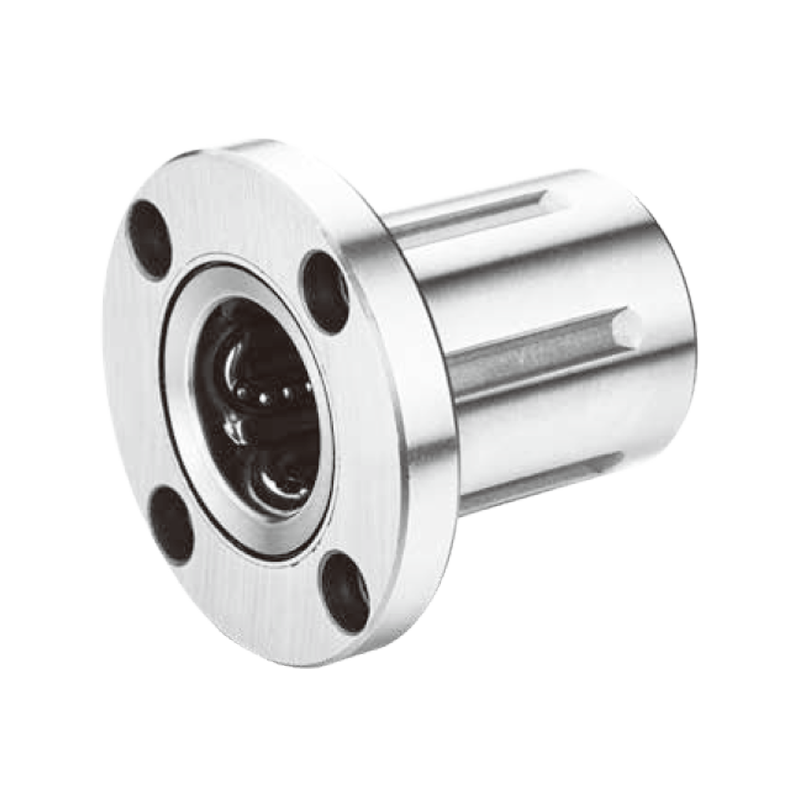
 The LMHC-L-UU series linear bearing is a high-performance linear bearing that combine...
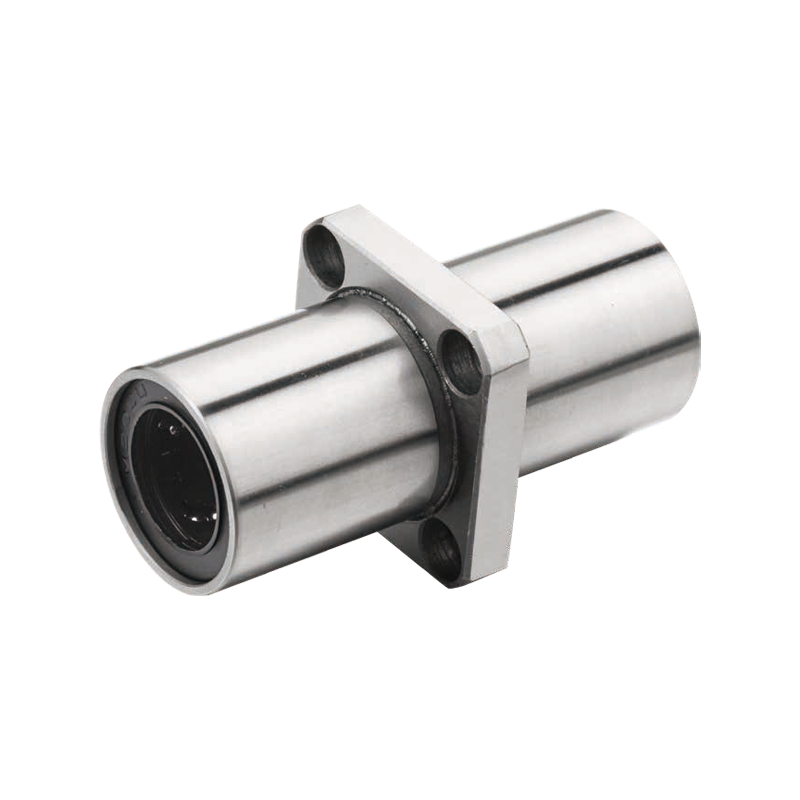 The LMFC/LMKC series linear bearing is a special type of linear bearing with a flange...
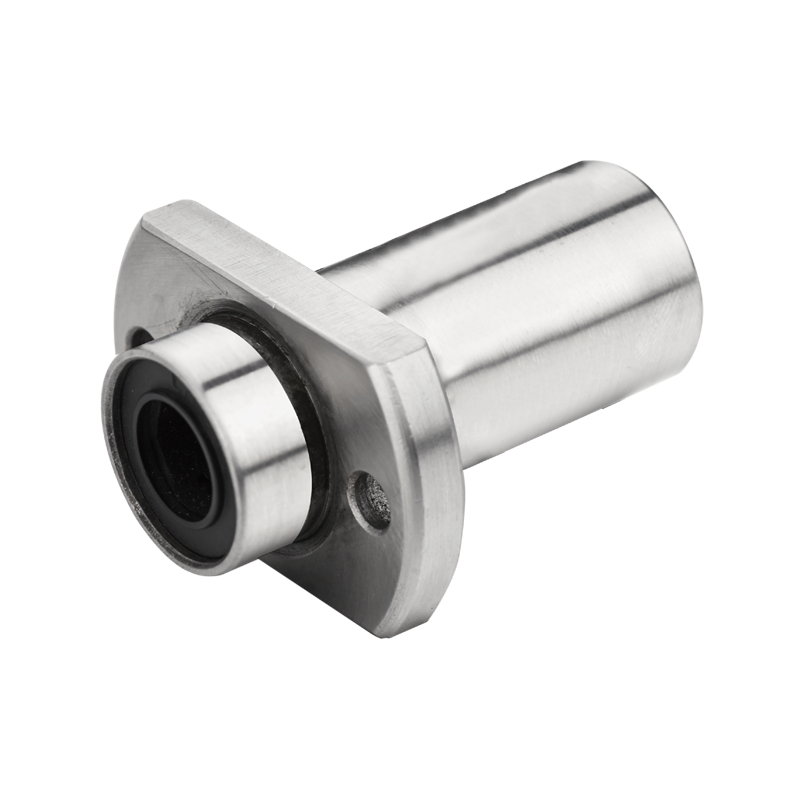 The LMHP-L-UU series linear bearing is a pinnacle of design, combining four key featu...
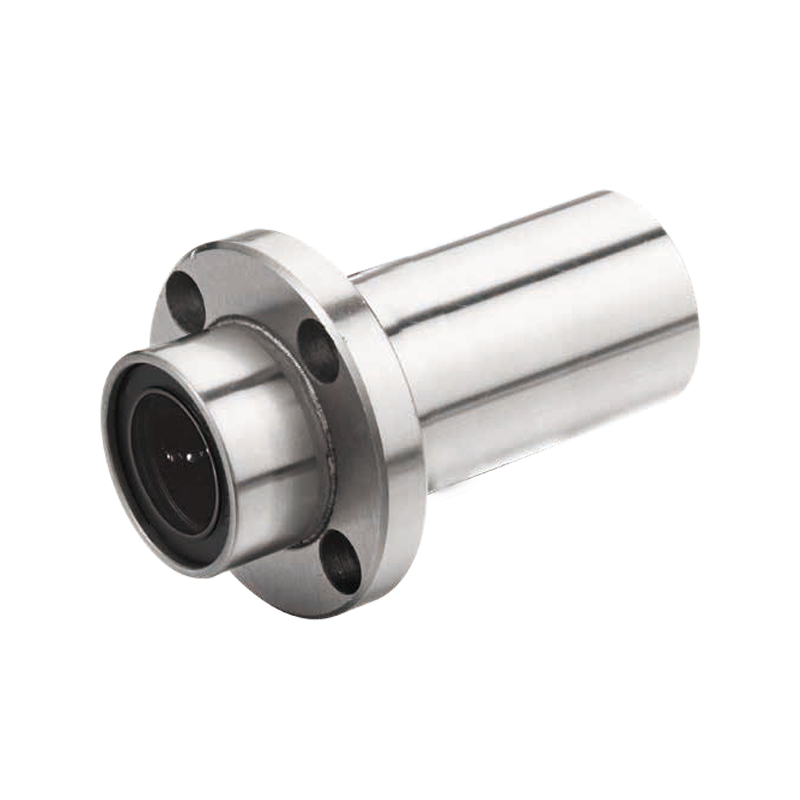 The LMFP-L/LMKP-L series linear bearings are linear bearings that combine three core ...
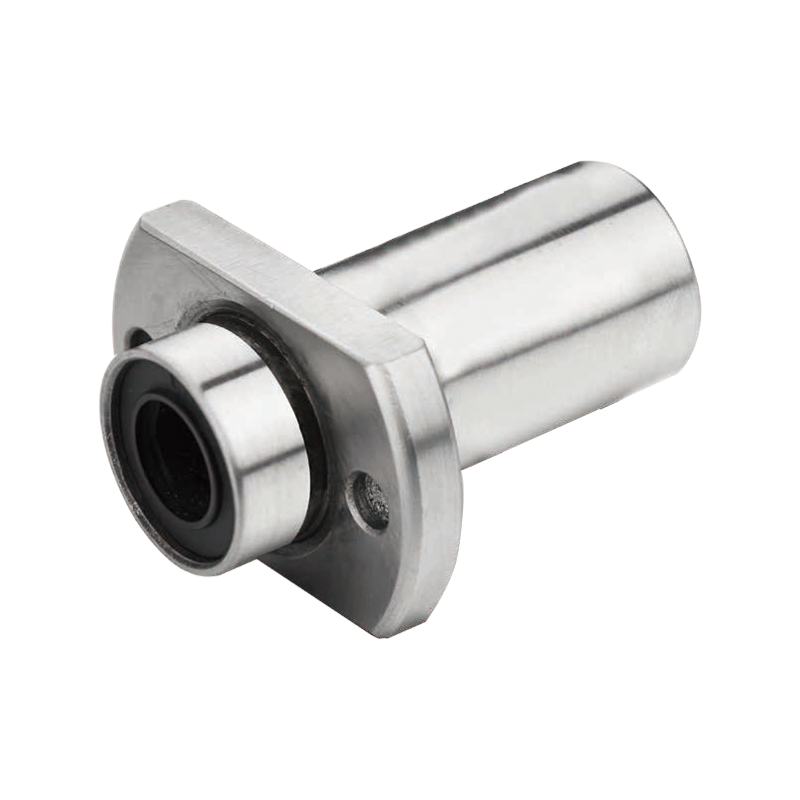 The LMHP-UU series linear bearing is a high-end linear bearing that combines three ke...


