| Product Features |
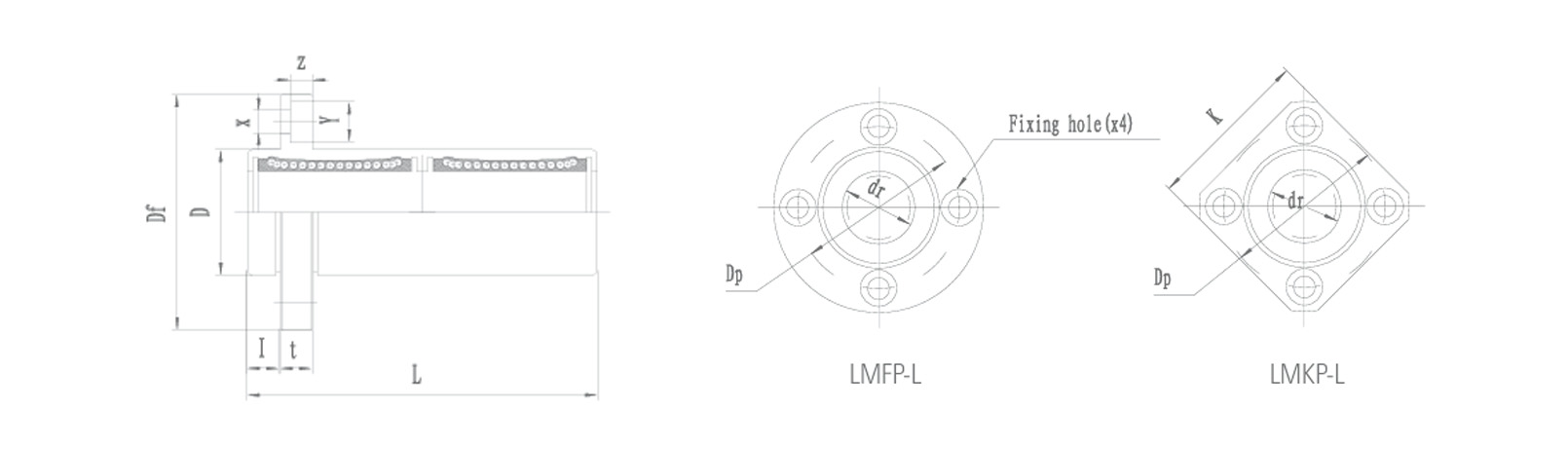
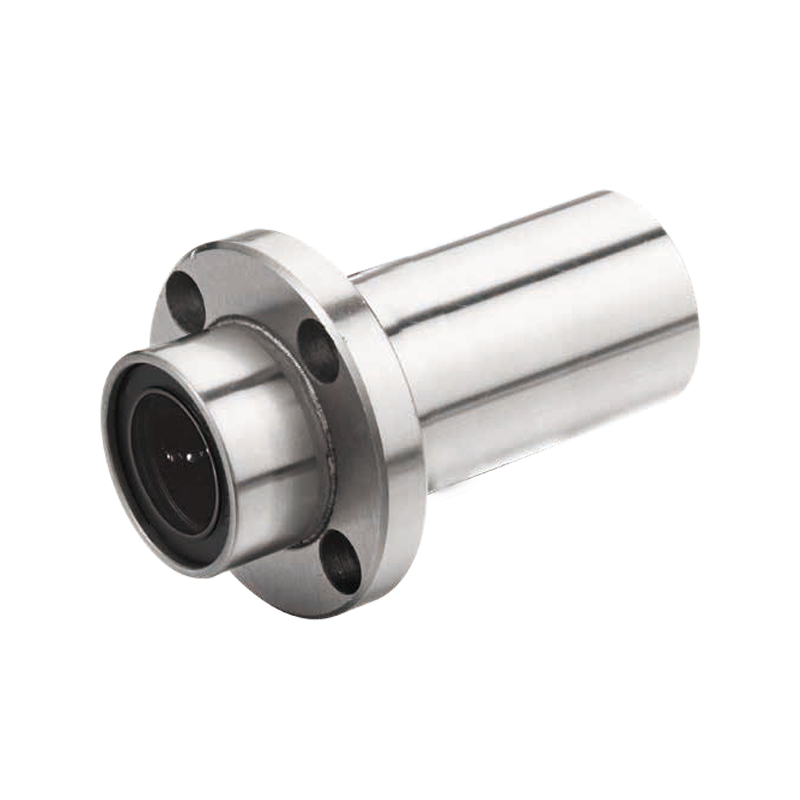
LMFP-L-UU (Embedded Extended Circular Flange Type) |
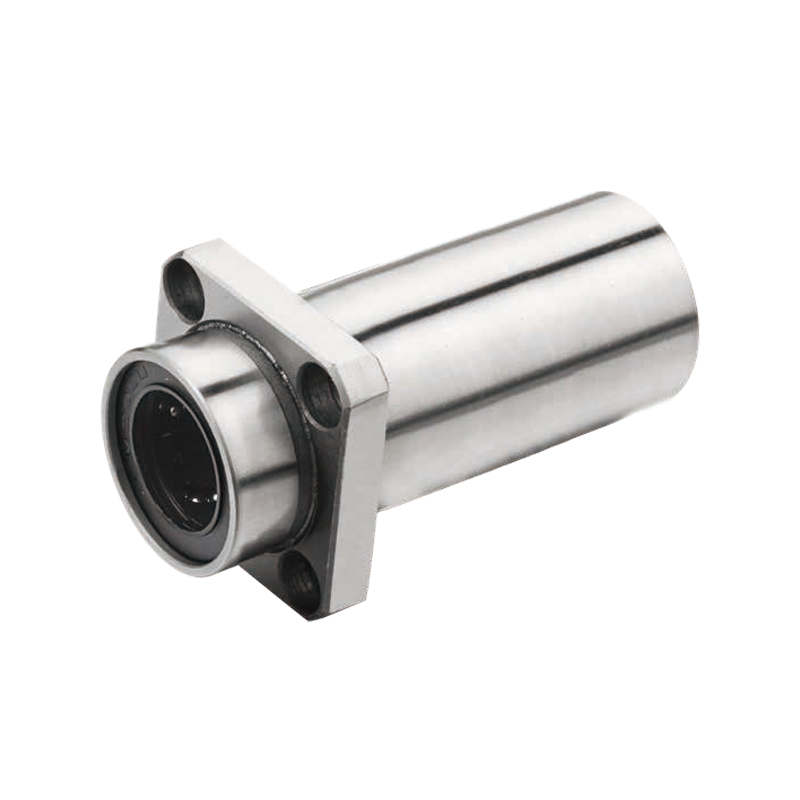
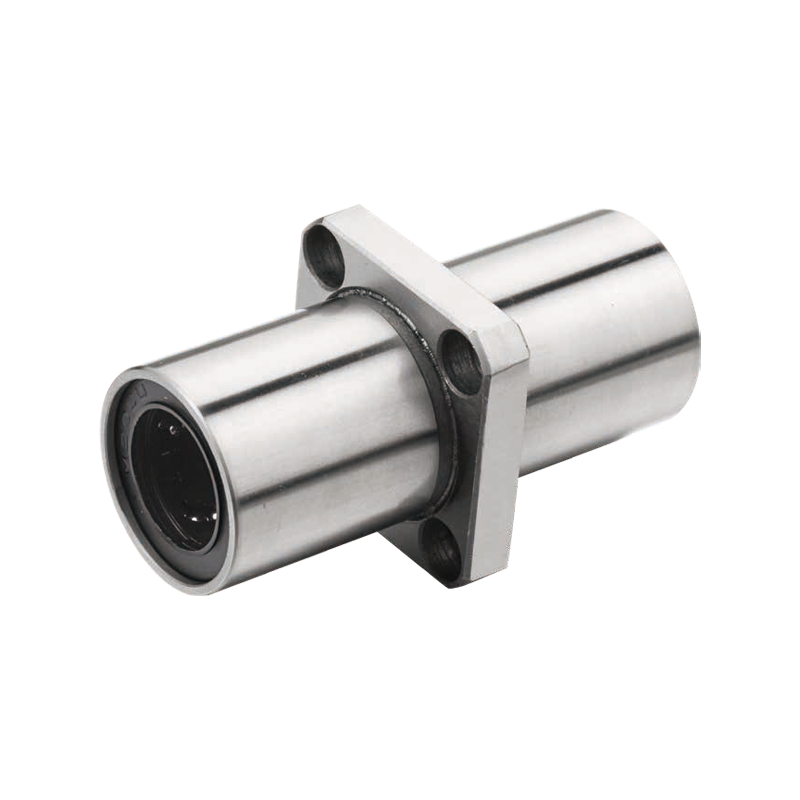
LMKP-L-UU (Embedded Extended Flange Type) |
Core Selection Logic |
| Core Positioning |
A high-load, high-stability, flush-mounted solution for directional reinforcement. |
A comprehensive reinforcement solution offering ultra-heavy-duty moment resistance and flush mounting. |
For heavy loads, select the extended L-type first; if top-tier installation stability and torque resistance are also required, choose the embedded P-type and select either an F or K flange depending on the torque. |
| Design Integration and Advantages |
Embedded circular flange (P) + extended body (L).
Advantages: 1. High load capacity and rigidity: The extended body delivers a significant increase in load-bearing and bending resistance.
2. Ultra-stable connection: The embedded design provides optimal installation rigidity, offering resistance to vibration and impact.
3. Flush mounting: Compact and safe structure. |
Embedded flange (P) + extension body (L).
Advantages: 1. Unrivalled resistance to combined loads: the extended body provides bending resistance, the flange offers torsional resistance, and the embedded design ensures vibration resistance – a triple combination of benefits.
2. Unparalleled dynamic precision: maintains exceptional motion stability and positioning accuracy even under heavy loads and at high speeds.
3. Long-term reliability: minimises micro-movement and deformation at the source, resulting in a longer service life. |
The FP-L is the specialist for heavy-load stability, whilst the KP-L is the all-rounder for the most complex operating conditions. |
| Performance |
Extremely high. Minimal deformation and smooth operation when subjected to massive axial or directional loads. |
Extreme conditions. When subjected to combined harsh operating conditions such as heavy loads, large eccentric torques, and vibration impacts, its performance is unrivalled among standard components. |
When both ‘heavy’ and ‘unbalanced’ loads are present, the KP-L’s advantages are decisive. |
| Installation Requirements |
Requires precision-machined countersunk holes to match the embedded flange, ensuring optimal contact and stability. |
Requires precision machining of a rectangular recessed seat; whilst this involves the highest machining complexity and cost, it also delivers the greatest return on performance. |
To achieve ultimate performance, a corresponding investment in precision installation is required. |
| Typical Applications |
Embedded tool magazine drive shafts for heavy-duty vertical machine tools; flush-mounted heavy-duty lifting mechanisms for large-scale experimental equipment. |
Applications include: the embedded heavy-duty milling head attachment interface on high-end gantry machining centres; the high-stability core laying head guide on large composite filament laying machines; and the main guide shaft on heavy-duty precision presses. |
Intended for critical equipment where the asset value is high, downtime costs are substantial, and failures caused by support components are unacceptable. |

 English
 Português
 русский
 Español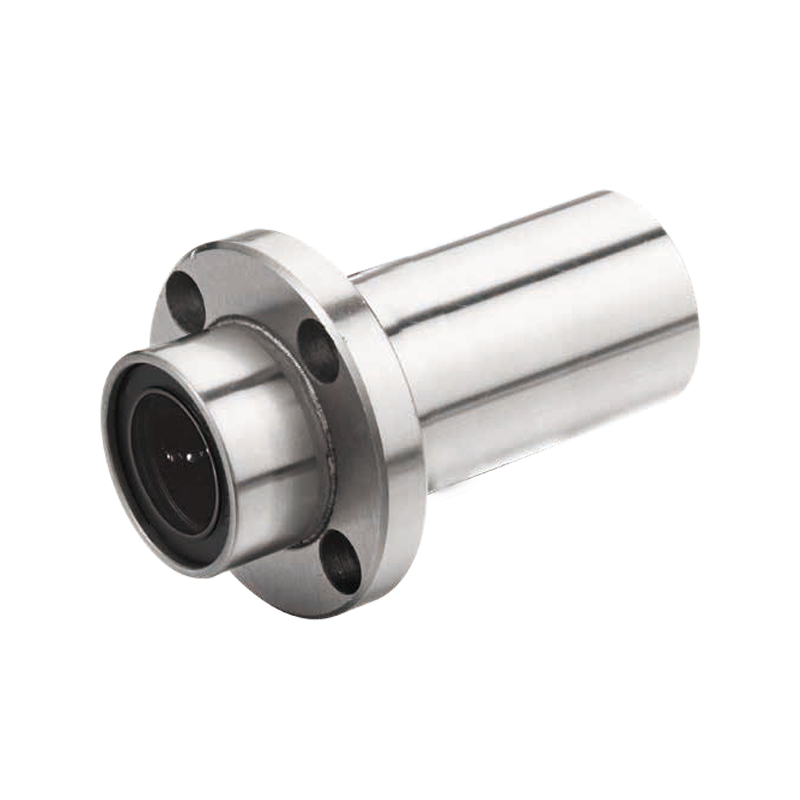
 The LMHC-L-UU series linear bearing is a high-performance linear bearing that combine...
 The LMFC/LMKC series linear bearing is a special type of linear bearing with a flange...
 The LMHP-L-UU series linear bearing is a pinnacle of design, combining four key featu...
 The LMFP-L/LMKP-L series linear bearings are linear bearings that combine three core ...
 The LMHP-UU series linear bearing is a high-end linear bearing that combines three ke...


