| Product Features |
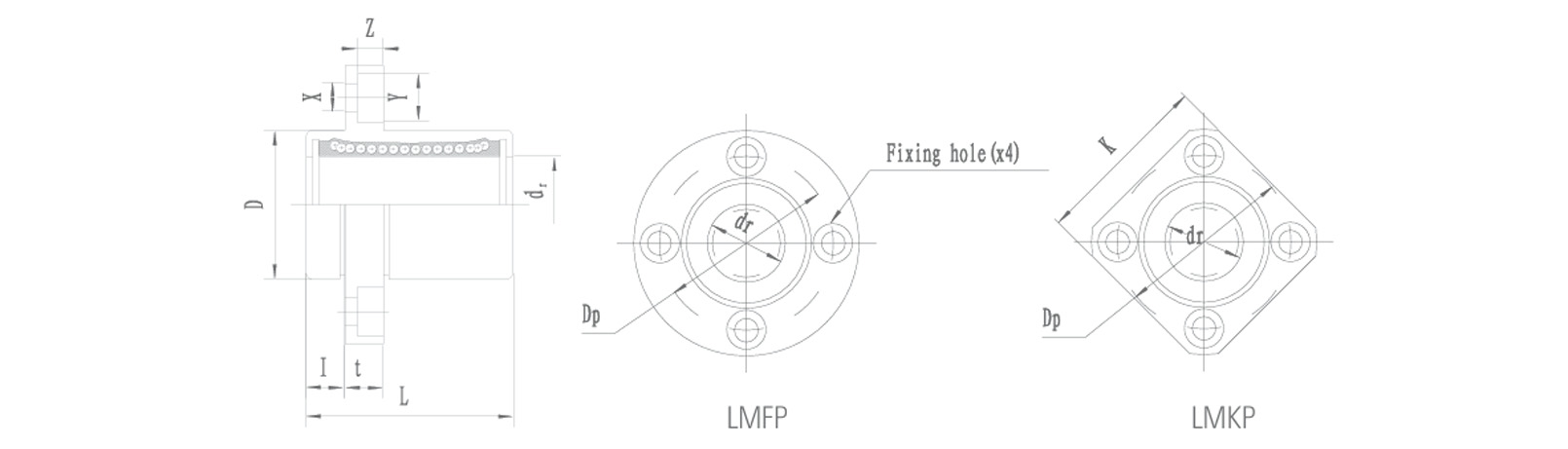
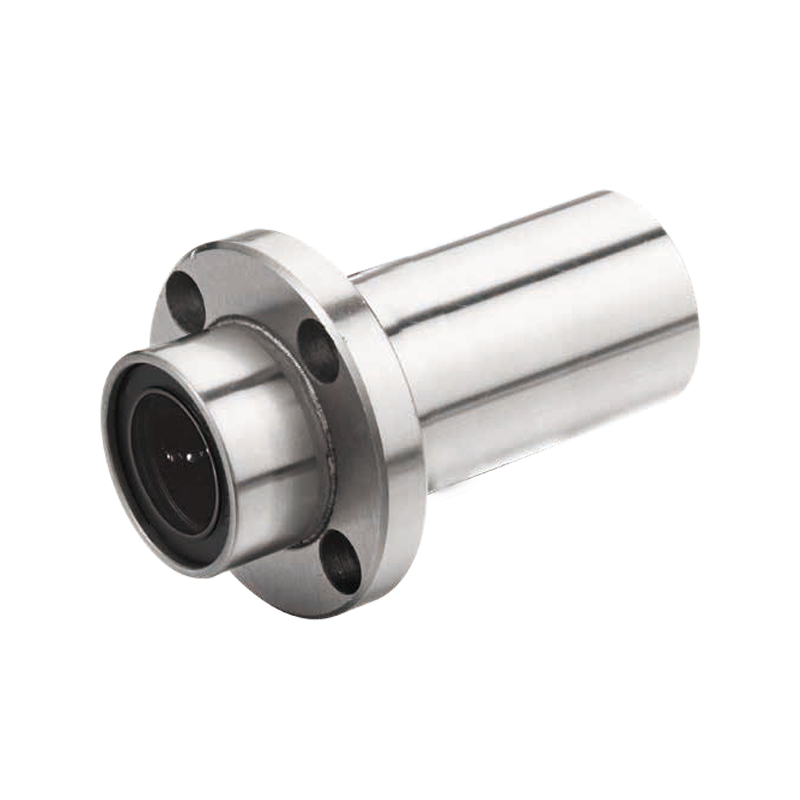
LMFP-UU (Recessed Circular Flange Type) |
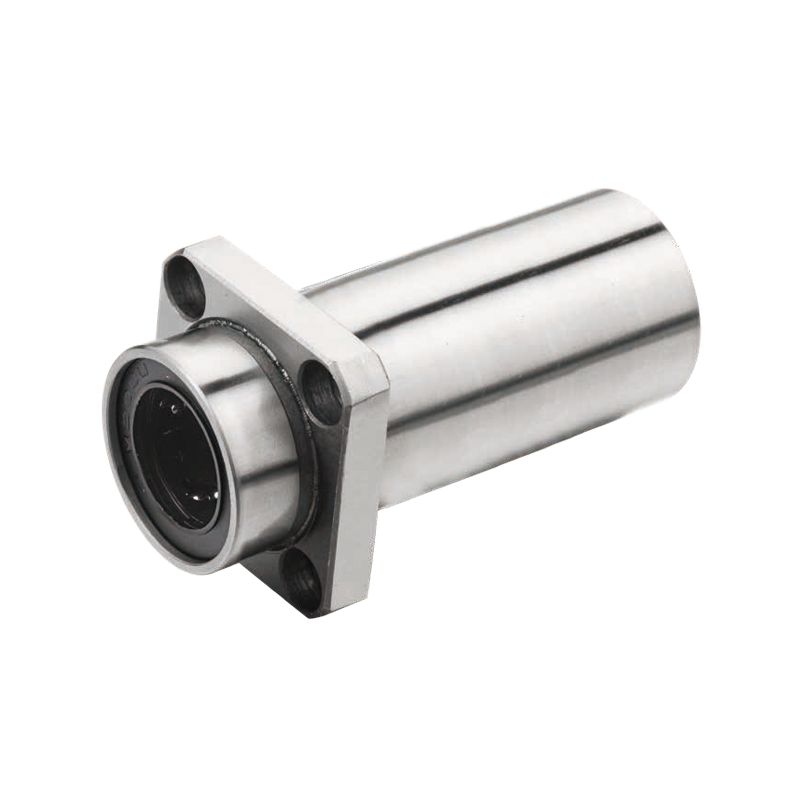
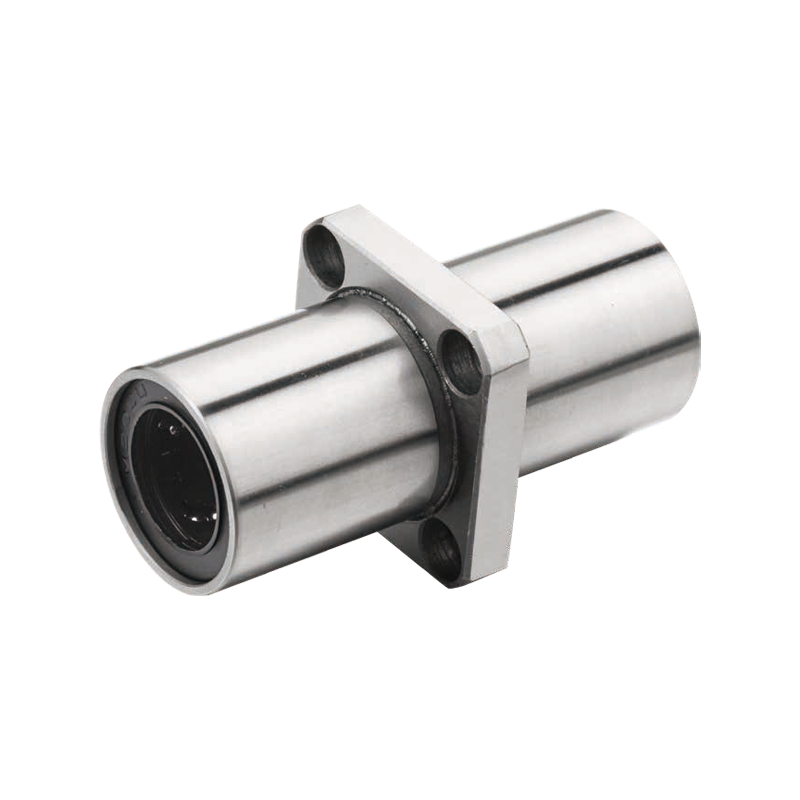
LMKP-UU (Embedded Flange Type) |
Key Selection Criteria |
| Core Positioning |
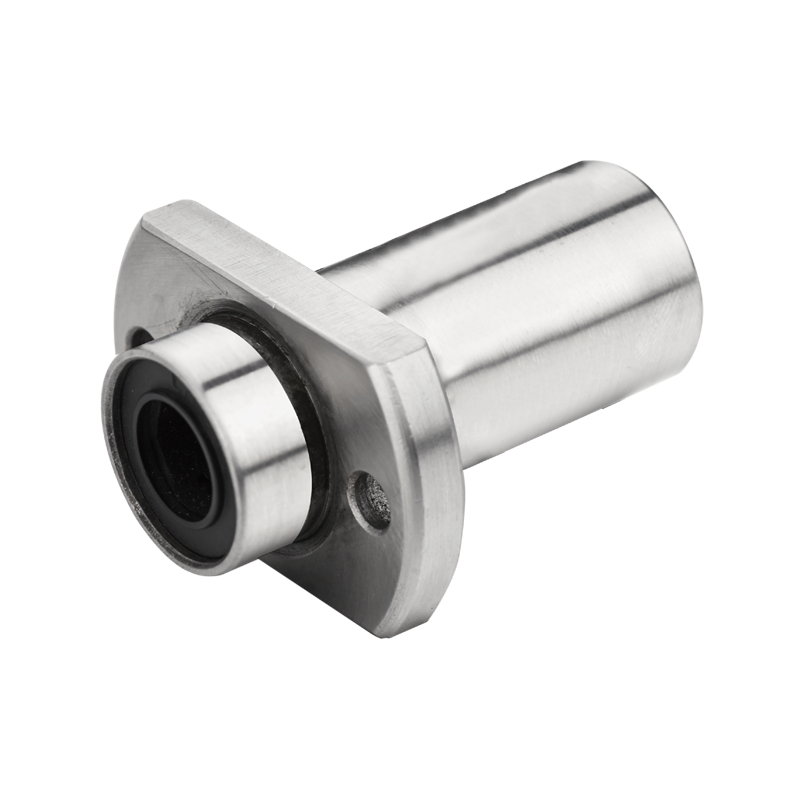
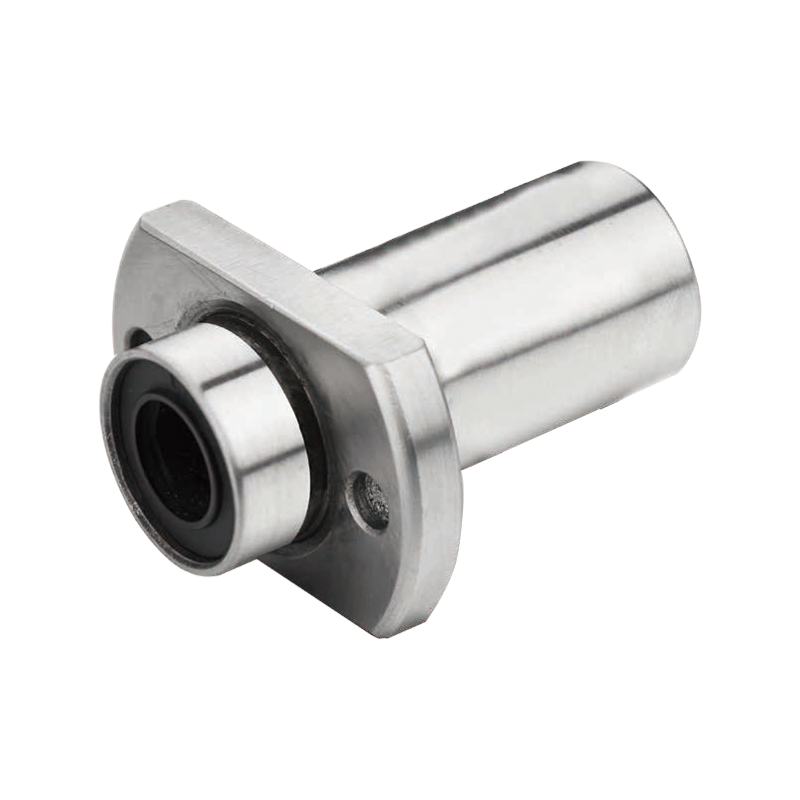
A circular flange solution offering high stability, a flush mounting surface and excellent vibration resistance. |
A flange solution offering exceptional stability, a flush mounting surface and resistance to heavy-load impacts. |
When both stability and installation flatness are required, the FP/KP recessed models are the preferred choice. |
| Core Structure and Advantages |
Recessed flange (countersunk design). The flange is integrated more deeply into the bearing housing, resulting in a shorter and more direct force transmission path. Once installed, the screw heads do not protrude, and the overall bending and torsional rigidity is superior to that of standard flange types of the same specification. |
Embedded flange. Building on the high torque resistance of standard flanges, the embedded design further reinforces the structural strength at the flange root, providing enhanced resistance to deformation caused by complex loads. |
The ‘flush-mounted’ design provides a physical guarantee of stability by altering the force transmission mechanism. |
| Enhanced Stability |
1. Improved resistance to fretting: In vibrating environments, the connection to the mounting plate is more secure, making it less prone to slight loosening.
2. Smoother operation: Increased rigidity reduces system deformation, resulting in a more consistent motion trajectory.
3. Potential for extended service life: A more secure installation reduces the generation of abnormal stresses. |
1. Performance under extreme conditions: Under heavy loads and high-frequency impacts, deformation of the mounting surface is minimal, ensuring long-term precision retention.
2. Improved dynamic response: Higher system rigidity enhances the response speed and bandwidth of servo systems. |
Stability is the cornerstone of precision and reliability, and the flush-mounted design has been specifically reinforced to this end. |
| Installation and Space Requirements |
Installation requires countersinking to achieve flush mounting and maximum stability. The overall structure is more compact, offering high space utilisation. |
This requires equally precise counterbore machining and imposes higher installation requirements, but delivers the greatest return in terms of stability. |
Achieving top-tier stability requires the additional cost of more precise machining of the mounting plate. |
| Functionality and Materials |
Fully compatible with the LMF-UU. Identical internal ball system, precision grade, load curve and materials (bearing steel, seals, etc.). |
Fully consistent with the LMK-UU. Possesses identical core performance parameters. |
The upgrade consists solely of structural and mechanical optimisation of the mounting interface; core motion performance remains unchanged. |
| Typical Applications |
High-speed precision transmission mechanisms (e.g. pick-and-place machines), testing equipment in vibrating environments, and automated modules requiring a clean appearance. |
Accessory interfaces for heavy-duty CNC machine tools, spindle guidance for high-precision press-fitting equipment, and heavy-load joints for industrial robots. |
Intended for ‘critical workstations’ where standard flanges may compromise performance due to vibration or deformation. |

 English
 Português
 русский
 Español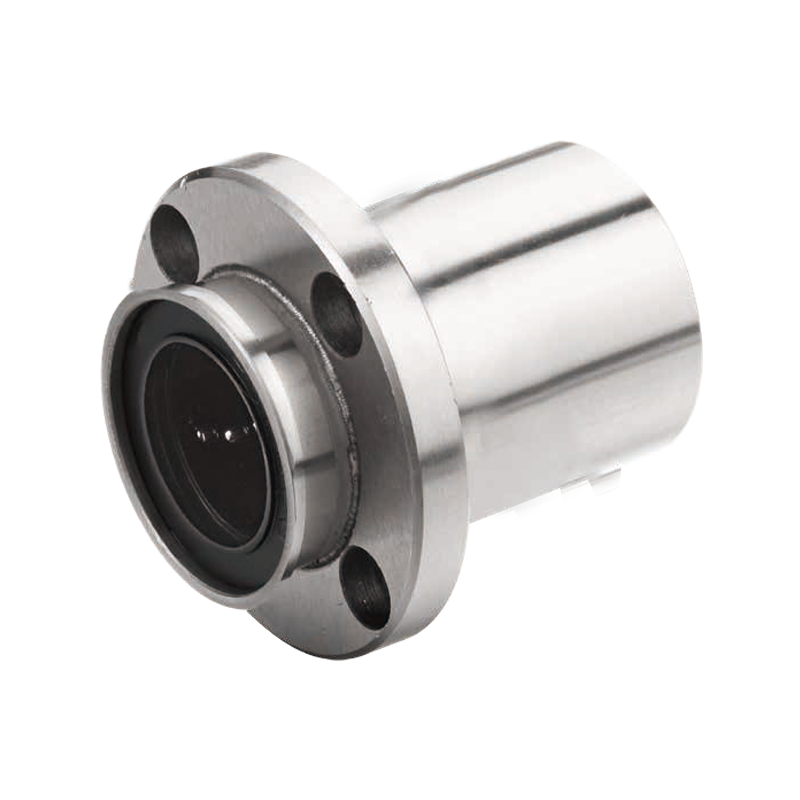
 The LMHC-L-UU series linear bearing is a high-performance linear bearing that combine...
 The LMFC/LMKC series linear bearing is a special type of linear bearing with a flange...
 The LMHP-L-UU series linear bearing is a pinnacle of design, combining four key featu...
 The LMFP-L/LMKP-L series linear bearings are linear bearings that combine three core ...
 The LMHP-UU series linear bearing is a high-end linear bearing that combines three ke...


