| Product Features |
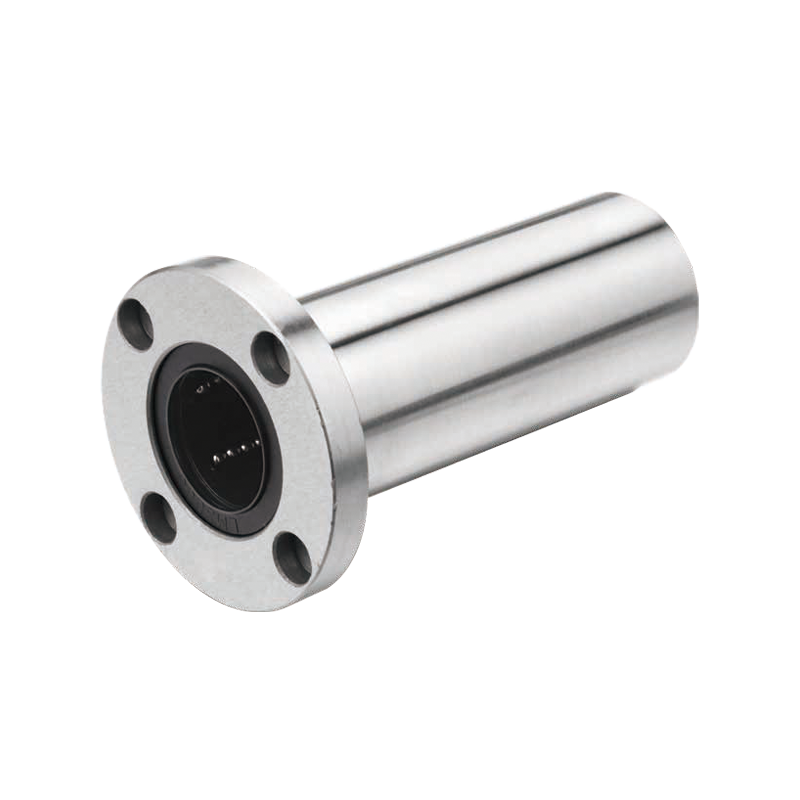
LMEF-L-UU (Extended European Standard Round Flange Type) |
LMEK-L-UU (Extended European Standard Flange Type) |
Core Selection Logic |
| Core Positioning |
An extended standard solution featuring European heavy-duty specifications, high rigidity and easy installation. |
An extended, reinforced solution for European standards, offering heavy-duty load capacity, resistance to massive torques and ultra-stable installation. |
For heavy-duty applications in Europe, select the extended L-type first; then choose either the round flange F-type or the square flange K-type based on torque resistance requirements. |
| Design Philosophy |
European standard round flange + extended bearing housing. Whilst ensuring seamless integration with European components, the extended design significantly enhances load capacity and bending rigidity. |
European standard square/rectangular flange + extended bearing housing. This powerful combination of European standard compatibility, the torque-resistance advantages of the flange and the high rigidity of the extended housing creates the ultimate cost-effective solution for the most complex heavy-duty applications in Europe. |
‘Extended’ is the cornerstone of performance, whilst ‘European standard square flanges’ ensure torque resistance and integration. |
| Key Advantages |
1. European standard, ready to install: Fully compatible interfaces, zero adaptation required for installation.
2. High load capacity and high rigidity: The extended design delivers a significant increase in rated load capacity and bending rigidity.
3. Excellent value for money: Offers performance approaching that of custom heavy-duty components at the cost of standard parts. |
1. European-standard extreme rigidity: Provides top-tier resistance to combined loads (including torque) within the European standard system.
2. Ultra-stable operation: The combination of long guidance and ultra-stable installation ensures excellent vibration damping.
3. Low total cost of ownership: Standardisation translates to lower procurement, assembly and maintenance costs. |
The LMEF-L is designed for directional heavy-duty lifting, whilst the LMEK-L is intended for multi-directional heavy-duty challenges. |
| Structural Performance |
High. Provides extremely high bending rigidity in the extended direction, perfectly meeting European heavy-duty requirements along the axial direction. |
Exceptional. Delivers outstanding performance when subjected to the off-centre loads, vibrations and impact loads commonly encountered in European heavy-duty equipment, maintaining absolute stability of the load position. |
When European-standard equipment is subject not only to heavy loads but also to complex stress conditions, the LMEK-L represents the optimal solution within the standard product range. |
| Installation and Space Requirements |
Installation is as straightforward as with the LMEF, but requires more axial installation space to accommodate the extended body. |
Installation is as robust as that of the LMEK, requiring sufficient mounting surface and axial clearance. |
When selecting the extended version, it is essential to confirm that the European-standard machine frame has sufficient installation length and space for flange mounting. |
| Typical Applications |
Applications include European-standard lifting axes for medium-sized machining centres, heavy-duty pusher mechanisms for logistics automation, and large-scale experimental equipment exported to Europe. |
Exported to Europe for use in drive units for large laser cutting/welding platforms, European standard sliders for heavy-duty robotic seventh axes (ground tracks), and precision guidance mechanisms for wind turbine testing rigs. |
Applications are specifically targeted at the high-end manufacturing, energy and heavy industry sectors in Europe. |

 English
 Português
 русский
 Español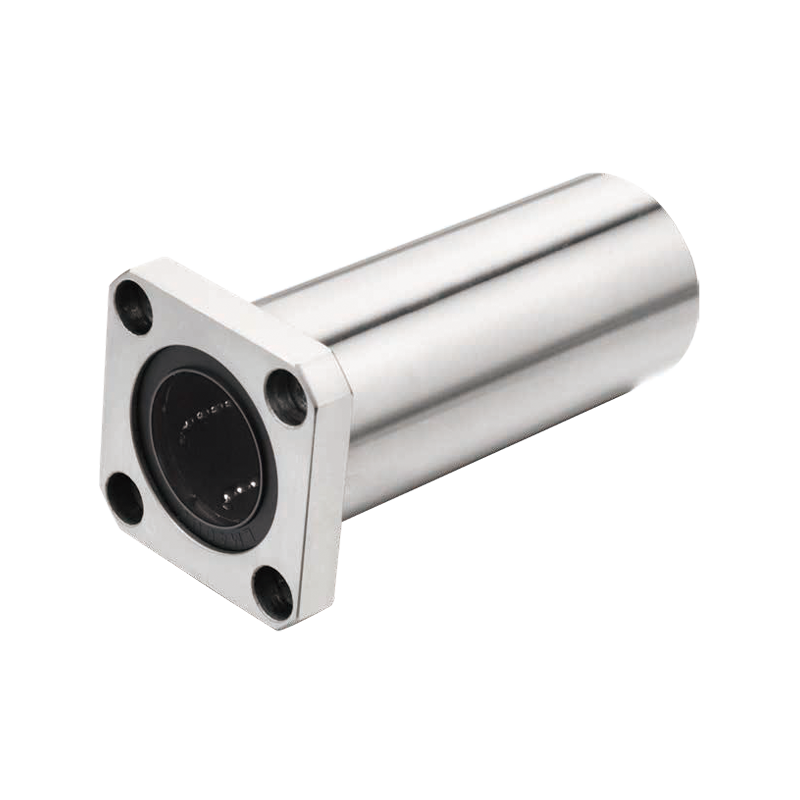

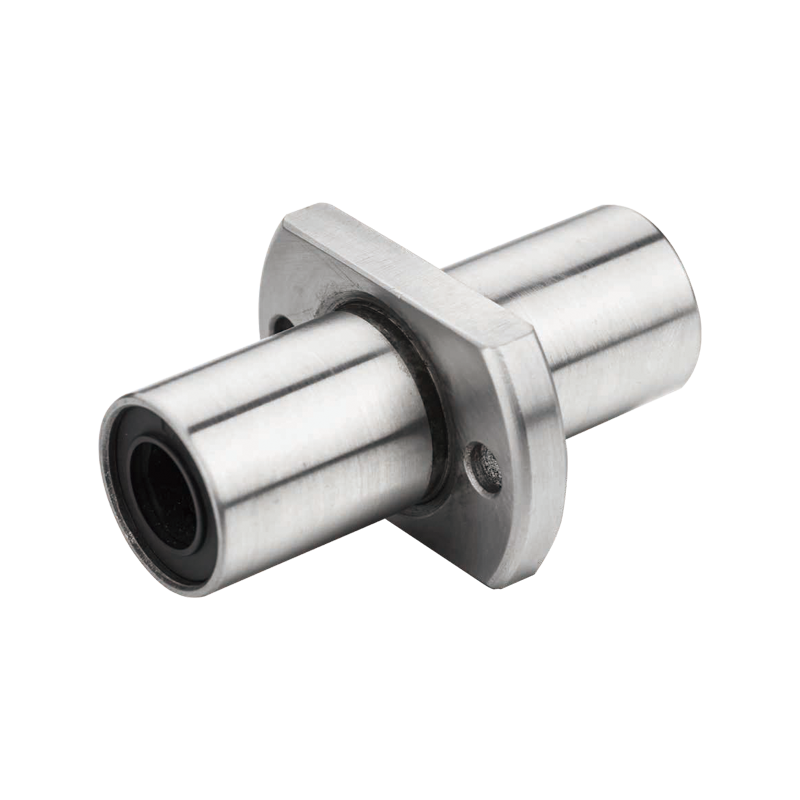 The LMHC-L-UU series linear bearing is a high-performance linear bearing that combine...
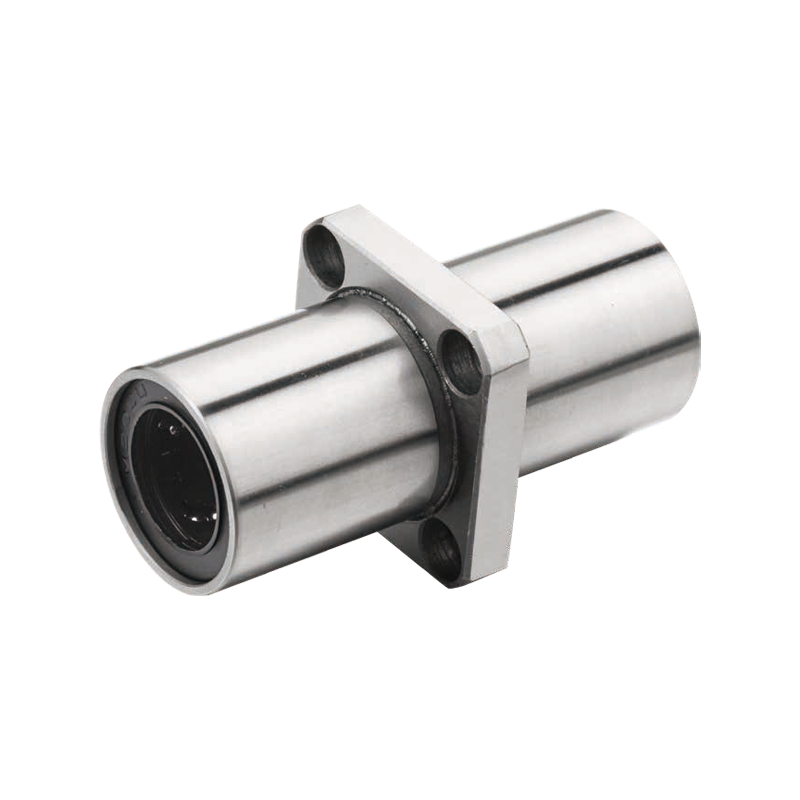 The LMFC/LMKC series linear bearing is a special type of linear bearing with a flange...
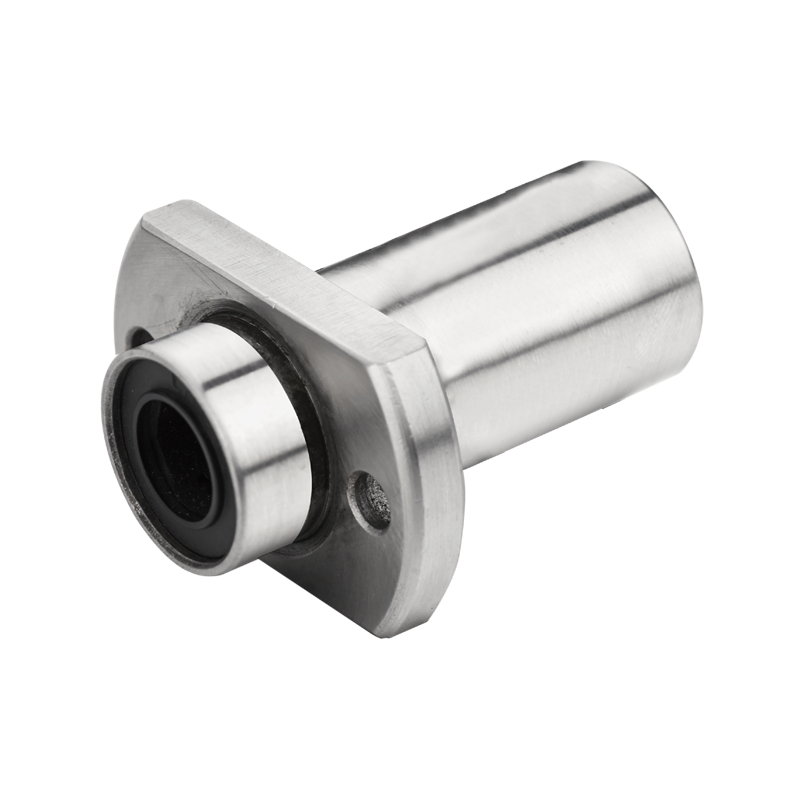 The LMHP-L-UU series linear bearing is a pinnacle of design, combining four key featu...
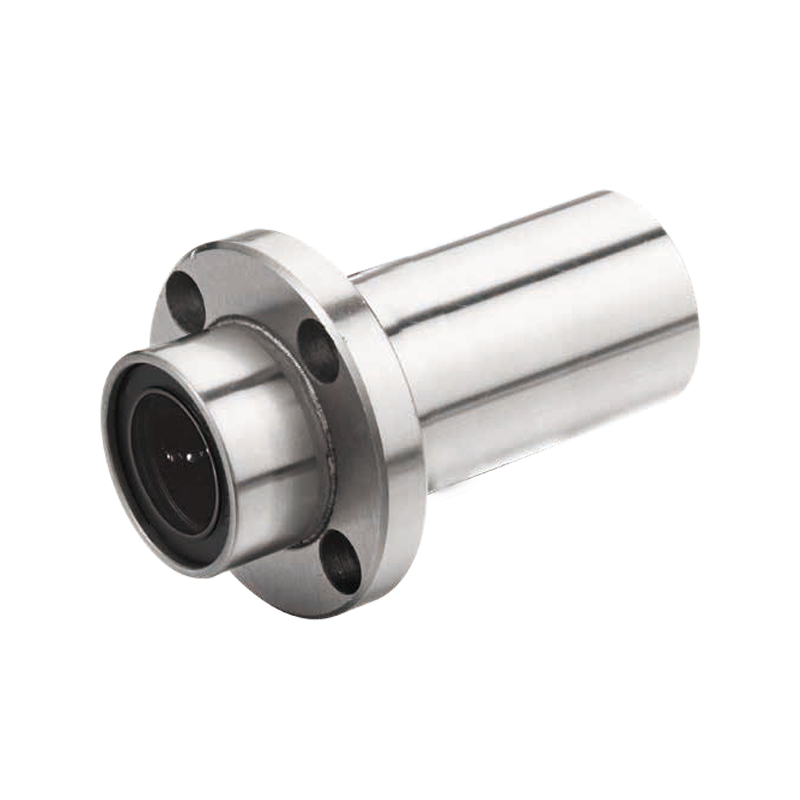 The LMFP-L/LMKP-L series linear bearings are linear bearings that combine three core ...
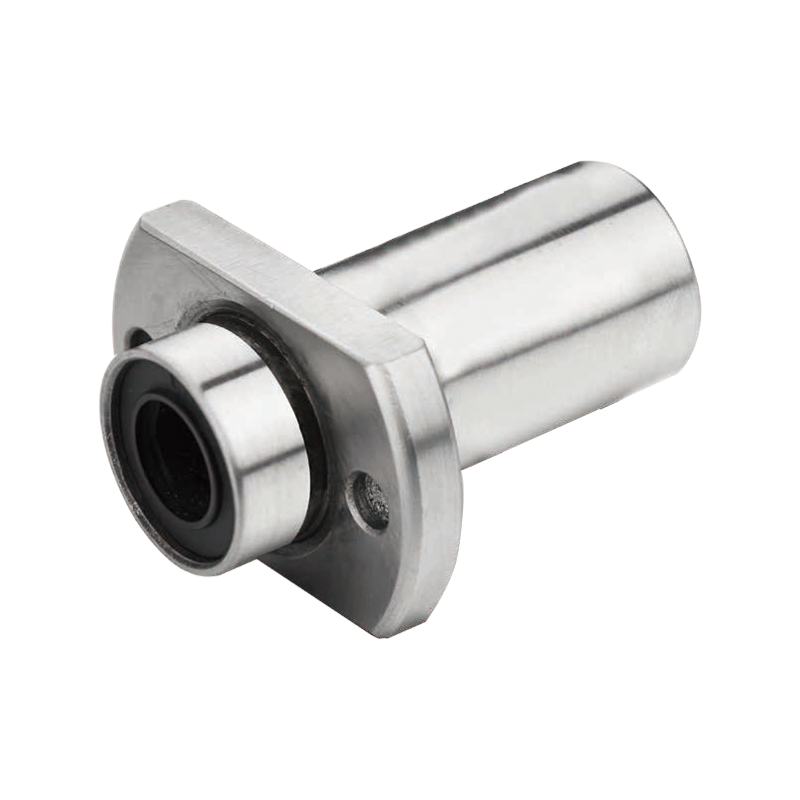 The LMHP-UU series linear bearing is a high-end linear bearing that combines three ke...


