Main Technical Parameters and Design
1. Core Components:
Guide Rail: High-strength solid steel square rail or profile, with a hardened V-shaped guiding surface on the top.
Roller Group: Composed of multiple V-groove bearing rollers, usually including load-bearing rollers and lateral guiding rollers, forming a clamping structure that provides four-way load capacity.
2. Adjustment Mechanism: The key eccentric roller shaft design allows for fine adjustment of the gap between the roller and the guide rail by rotating the eccentric shaft, achieving zero-gap preloading or pre-set clearance.
3. Selection Considerations:
Select specifications based on load: Primarily select the guide rail size (e.g., LGD30, LGD45) and the number of rollers based on vertical load and moment load.
Confirm mounting method: Top mounting, side mounting, or inverted mounting can be selected to flexibly adapt to various structures.
Consider the environment: Galvanized, stainless steel, or rollers with sealing covers can be selected to cope with corrosive or extremely dirty environments.
Applications
The external type LGD series roller guide is the king of heavy-duty, harsh environment applications:
Heavy-duty automation and logistics: Guiding for automated warehouse stacker cranes, heavy-duty AGVs, and container handling systems.
Construction machinery and agricultural equipment: Guiding support for mobile lifting platforms, combine harvester grain bins, and telescopic arms of construction vehicles.
Factory automation production lines: Heavy-duty slides for automotive welding lines, large workpiece transfer machines, and overhead conveyor systems for painting lines. Wood and Stone Processing: Beam moving guide rails for CNC woodworking machinery and stone cutting machines.
The external type LGD series roller guide represents a different philosophy in linear guidance: not pursuing ultimate precision, but rather ultimate reliability, durability, and adaptability. It solves the fundamental problem of heavy equipment movement in complex environments using simple, robust mechanical principles. Choosing the LGD series means prioritizing equipment uptime, ease of maintenance, and resistance to harsh working conditions. It's a "hardcore" product that engineers can rely on, forming the solid foundation for building robust, durable, and low-maintenance automation systems.
Parameters
| Model No. |
Shaft
Diameter |
Dimensions of
Assembly(mm) |
Dimensions of Block(mm) |
Mounting holes No.
|
Wheels
No. |
Dimensions of Rail(mm) |
Basic power
Safe load N |
Basic static load
Safe working load N |
Weight |
|
|
| Rail |
Block |
H |
W |
H1 |
H2 |
W1 |
L1 |
B |
C |
S1 |
W2 |
H3 |
h |
d1 |
d |
p
|
p1
|
Slider
Weight kg/pc |
Guide rail
Weight kg/m |
|
|
|
|
LGD6 |
LGB6 |
φ6 |
29 |
60 |
26 |
12 |
58 |
60 |
38 |
40 |
M5X8 |
4 |
4 |
26 |
17.8 |
6.5 |
9 |
5.5 |
60 |
80 |
120 |
0.16 |
1.3 |
| 100 |
75 |
4 |
4/6 |
80 |
120 |
0.18 |
| LGD8 |
LGB8 |
φ8 |
30 |
60 |
26 |
14 |
58 |
70 |
40 |
50 |
M5X8 |
4 |
4 |
28 |
20 |
7 |
8.6 |
5.5 |
50 |
80 |
130 |
0.2 |
2.3 |
|
| 100 |
80 |
4 |
4/6 |
90 |
140 |
0.25 |
| LGD8E |
LGB8E |
φ8 |
33 |
67 |
27.5 |
14 |
65 |
70 |
45 |
45 |
M6X9 |
4 |
4 |
30 |
21 |
8 |
9.5 |
5.5 |
80 |
80 |
130 |
0.2 |
2.3 |
| 100 |
75 |
4 |
4/6 |
90 |
140 |
0.25 |
|
| LGD12 |
LGB12 |
φ12 |
39 |
82 |
35 |
12 |
80 |
60 |
54 |
36 |
M6X12 |
4 |
2 |
36 |
25.5 |
8 |
10.5 |
6.5 |
100 |
50 |
100 |
150 |
0.32 |
3.1 |
| 100 |
76 |
8/6 |
4/6 |
200 |
380 |
0.57 |
| 140 |
116 |
8/6 |
4/6 |
270 |
435 |
0.73 |
| 160 |
136 |
8 |
8 |
290 |
460 |
0.85 |
| LGD16 |
LGB16 |
φ16 |
50 |
120 |
45 |
14 |
118 |
150 |
90 |
120 |
M8×14 |
8 |
4 |
50 |
33 |
10 |
14 |
8.5 |
80 |
400 |
750 |
1.4 |
5.8 |
|
| 190 |
150 |
8/6 |
4/6 |
430 |
790 |
1.6 |
Drawings


 English
 Português
 русский
 Español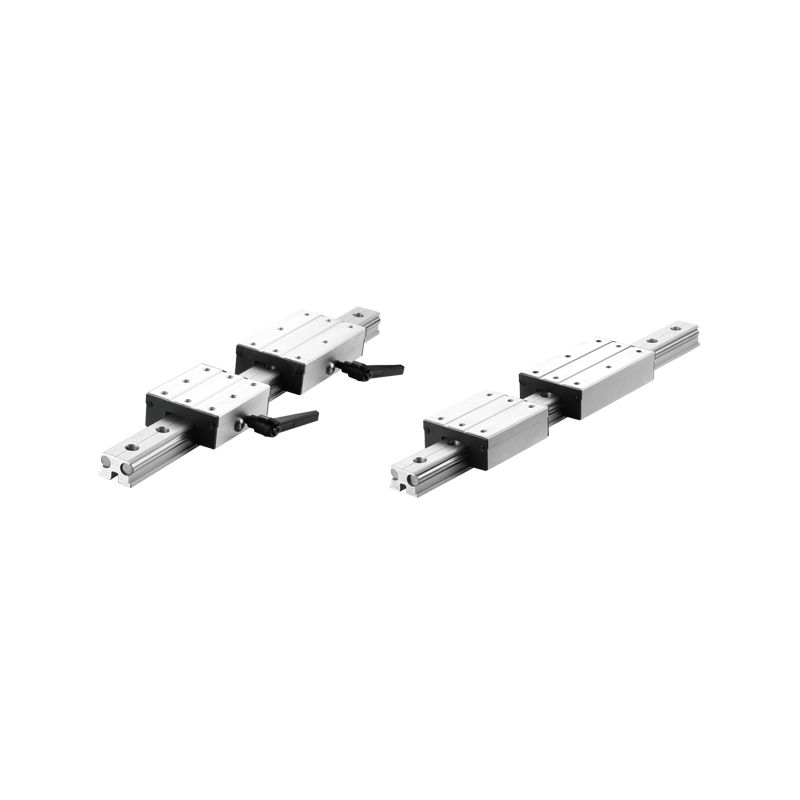
 The LMHC-L-UU series linear bearing is a high-performance linear bearing that combine...
 The LMFC/LMKC series linear bearing is a special type of linear bearing with a flange...
 The LMHP-L-UU series linear bearing is a pinnacle of design, combining four key featu...
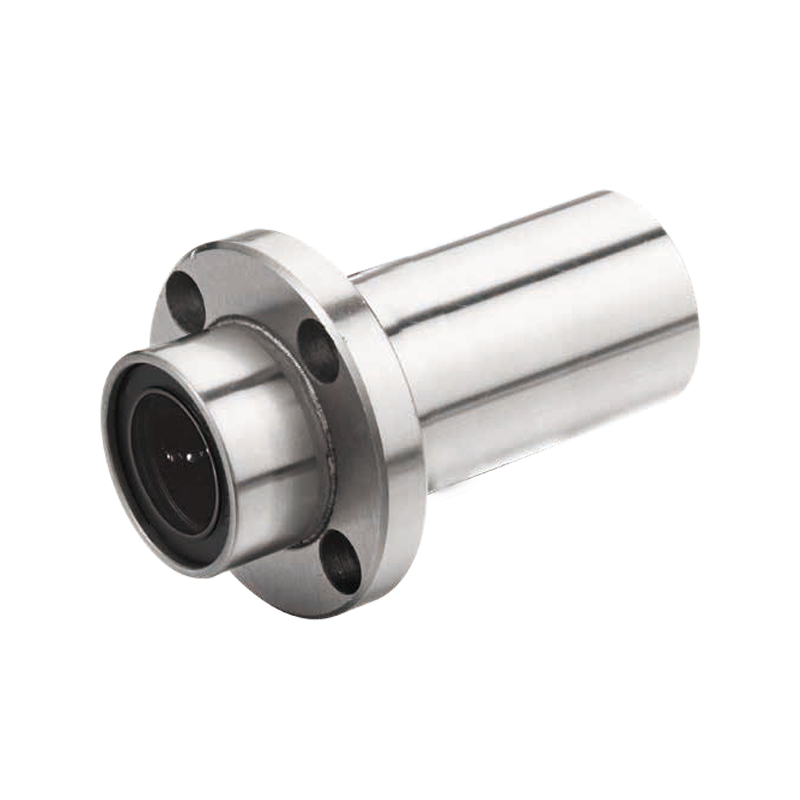 The LMFP-L/LMKP-L series linear bearings are linear bearings that combine three core ...
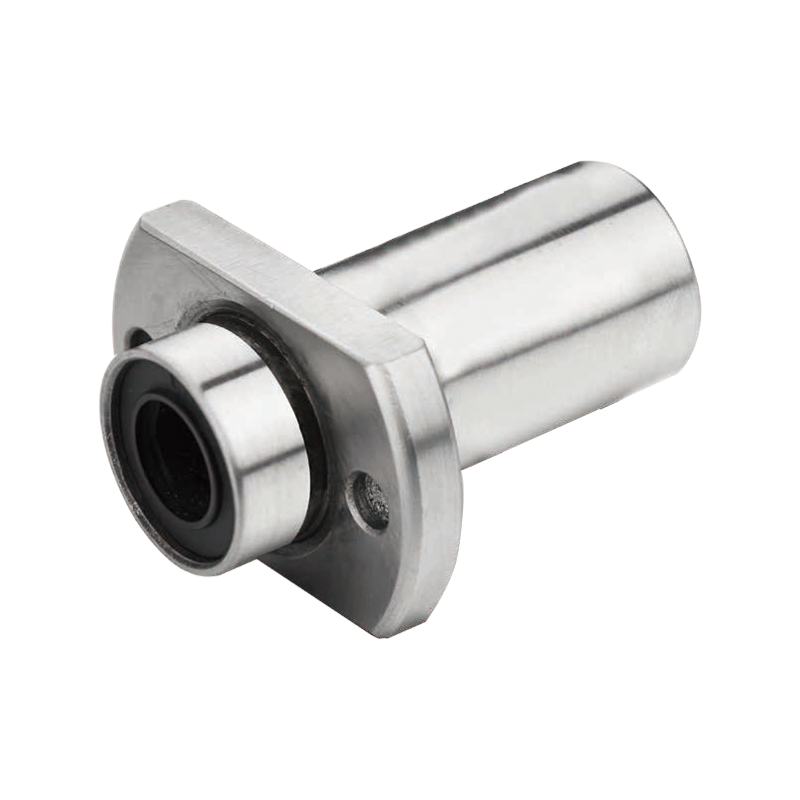 The LMHP-UU series linear bearing is a high-end linear bearing that combines three ke...


