 English
 Português
 русский
 Español
News ·
News ·
News ·
News ·
News ·
News ·
News ·
News ·
News ·
News ·
News ·
News ·
News ·
News ·
News ·
News ·

About us
Our team is proud to offer on time guarantee and product guarantee to customer satisfaction.
Read Morecontact info
- No.186 Xianglong Road, Lishui City, 323000 Zhejiang, China
- +86-13666550158
- lydia@wangong.net
Posted by Wangong
What Should You Know About Lead Screw Nut Housing
A maintenance technician chasing down a strange grinding noise on a linear stage, only to trace it back to a nut housing that was never quite seated right during the last rebuild, understands exactly why this small component deserves more attention than it usually gets. A screw-driven motion system can appear simple from the outside. There's a screw, a nut, and a structure that holds everything in place. Yet the housing around the nut can have a genuinely important effect on how the whole assembly fits into a machine and behaves once it's running.
A Screw Nut Housing is used to support and position a screw nut within a mechanical system. It helps connect the nut with the surrounding structure while keeping the moving components aligned and properly positioned during operation.
Similar concepts appear across different motion systems. Ballscrew Nut Housing and Ball Nut Housing are commonly linked with ball screw assemblies, while screw-based systems use their own nut and mounting arrangements built around different mechanical principles.
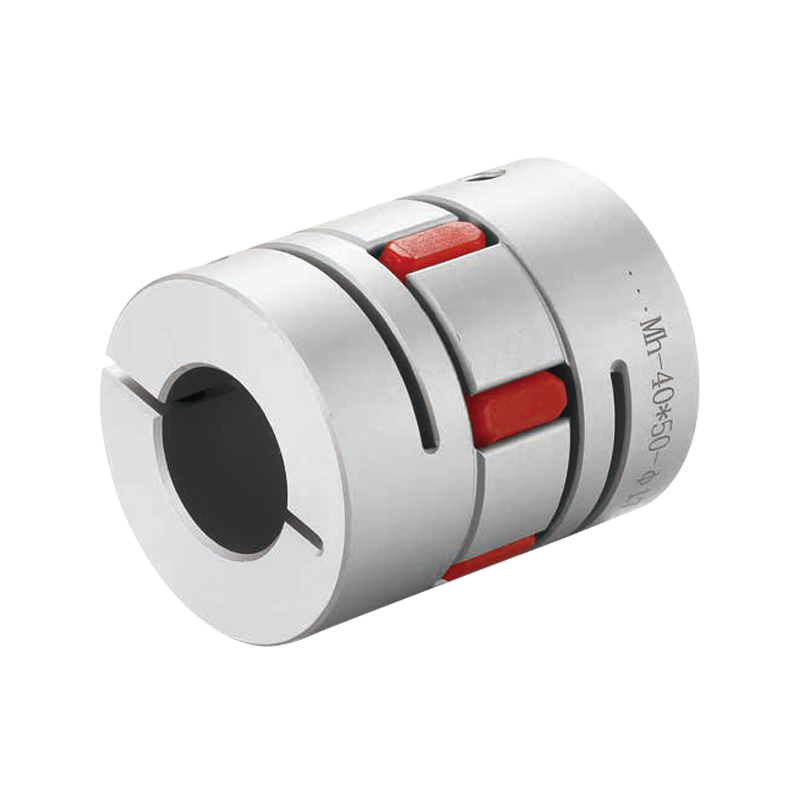
The housing isn't simply a holder sitting there for show. Its shape, mounting method, material, and relationship with nearby components can all affect how the motion system actually works day to day on the floor.
For designers, maintenance teams, and equipment builders, understanding these details can make component selection and installation a lot easier before problems show up down the line.
What a Lead Screw Nut Housing Is Used For
The main role of a Lead Screw Nut Housing is providing a stable connection between the screw nut and the machine structure around it.
A screw nut moves along a screw as the screw rotates, or as the nut is driven through the system by other mechanisms. The housing provides a mounting structure that connects the nut to the moving part of the equipment, keeping it supported rather than allowing it to move without proper positioning.
Without a suitable mounting arrangement, the nut may not sit correctly within the mechanism, and that mismatch tends to show up quickly once the machine starts running.
The housing can help with:
- Positioning the nut
- Connecting the nut to a moving structure
- Supporting the surrounding assembly
- Maintaining a suitable mounting relationship
- Making installation and replacement easier
Different machines have genuinely different space and mounting requirements. A housing therefore needs to fit the surrounding design, rather than getting selected separately from the rest of the motion system as an afterthought.
How a Nut Housing Fits Into a Lead Screw System
A screw assembly normally contains several connected elements working together.
| Component | General Role |
|---|---|
| Lead screw | Provides the screw path for movement |
| Lead screw nut | Moves along the screw |
| Nut housing | Connects and positions the nut |
| Supporting structure | Holds the assembly within the machine |
| Moving component | Receives the resulting motion |
The relationship between these parts matters more than any single piece on its own.
The nut needs to remain properly positioned as it moves along the screw. The housing provides the connection between the nut and the moving component sitting on top of it.
This means the housing should get considered as part of the complete assembly, not picked out separately and hoped to fit.
A mismatch between the nut, housing, and mounting structure can create genuine installation difficulties. Even when individual components look suitable on paper, their combined arrangement may not work as expected once assembled together.
Designers can therefore look at the screw, nut, housing, and machine structure together during the selection process, rather than sequentially.
Why Housing Alignment Matters
Alignment affects how smoothly the motion system actually operates once it's running.
A housing that doesn't position the nut correctly can place unwanted stress on the surrounding assembly. The result may show up as uneven movement, unusual wear, or a change in how the whole thing feels during operation.
This doesn't mean every application needs a complicated housing design to solve the problem.
The important point is that the nut should be mounted in a position matching the intended movement of the machine, nothing more elaborate than that.
Several factors can influence alignment:
- Mounting surface condition
- Housing shape
- Nut position
- Screw position
- Installation method
- Movement of connected components
Installation should therefore get carried out carefully, not rushed.
The mounting area should be clean and suitable before anything gets bolted down. The housing should sit properly against its supporting surface without gaps. Connected components should also get checked for movement before the system goes into regular operation.
How Lead Screw Nut Housing and Ball Nut Housing Differ
The terms can sound similar on paper, but they're associated with genuinely different motion systems underneath.
A Screw Nut Housing is designed to accommodate a screw nut, while a Ball Nut Housing is generally used with a ball screw nut.
These two systems rely on different methods for supporting motion.
A screw system works through direct contact between the screw and nut surfaces, while a ball screw system uses rolling elements between the screw and nut, creating a different mechanical interaction.
Because of this difference, their housing requirements can vary quite a bit.
| Housing Type | Associated System | Main Consideration |
|---|---|---|
| Lead Screw Nut Housing | Lead screw system | Nut mounting and positioning |
| Ball Nut Housing | Ball screw system | Ball nut mounting and positioning |
| Ballscrew Nut Housing | Ball screw assembly | Connection to the moving structure |
The housing should therefore match the nut and screw system actually being used, not just look like a reasonable fit.
Using similar-looking components without checking their intended application can create unnecessary installation problems that only surface once everything's bolted together.
What Designers Should Consider When Choosing a Lead Screw Nut Housing
Space is often one of the main concerns from the start.
Machines may have genuinely limited room around the screw assembly. A housing needs to fit without interfering with nearby parts crowding the same corner.
Mounting style also matters quite a bit.
Some systems require a housing that connects directly to a moving plate. Others may use a separate mounting structure entirely, which changes the whole approach.
Designers can consider several practical questions:
- Where will the nut be positioned?
- How will the housing connect to the moving component?
- Is there enough surrounding space?
- Can the housing be installed and removed conveniently?
- Does the mounting arrangement support the intended movement?
- Will nearby components remain clear during operation?
These questions can get addressed during the design stage, rather than discovered after the machine has already been assembled.
A suitable housing should work naturally within the overall structure, not feel like it was forced into place.
How Material Choice Affects Nut Housing Use
Housing materials can influence weight, handling, durability, and compatibility with the surrounding machine in ways worth thinking through.
Different applications may call for genuinely different material choices depending on where the equipment lives.
A machine used in a clean indoor environment may have different requirements from equipment exposed to dust, moisture, or frequent cleaning cycles on a factory floor.
Material selection can therefore be connected directly to the working environment it'll actually face.
| Consideration | Why It Matters |
|---|---|
| Weight | Affects handling and moving assembly design |
| Surface condition | Influences installation and maintenance |
| Environmental exposure | Relates to long-term use |
| Structural needs | Supports the mounting arrangement |
| Maintenance requirements | Influences cleaning and inspection |
There isn't one material that suits every application across the board.
The housing should get selected according to the actual conditions in which the machine will operate, not a generic default.
Can Housing Design Affect Maintenance?
Maintenance goes a lot smoother when components can be accessed without unnecessary disassembly getting in the way.
A well-planned housing arrangement can make it a lot easier for technicians to inspect the nut and surrounding parts without pulling half the machine apart first.
This becomes genuinely useful once a machine operates on a regular schedule.
A maintenance team may need to check for:
- Unusual movement
- Visible wear
- Loose mounting
- Contamination
- Changes in operating noise
- Damage around the housing
The housing itself should also get inspected during these checks, not overlooked as background structure.
A small change in mounting condition can influence the relationship between the screw, nut, and moving structure more than it may appear at a glance.
Cleaning is another consideration worth planning for upfront.
Dust and other contaminants can collect around moving equipment over time. The appropriate cleaning method depends on the machine and component materials involved.
Following the manufacturer's maintenance instructions helps avoid introducing new problems while servicing something that was working fine before.
What Installation Issues Can Affect Lead Screw Nut Housing Performance
Installation has a direct, immediate connection with how the assembly behaves once it's running.
A suitable housing can still perform poorly if it gets mounted incorrectly, no matter how well the component itself was made.
Common installation concerns include:
Incorrect positioning. The nut may not sit in the intended location once everything's bolted down.
Uneven mounting. The housing may not make proper contact with its supporting structure across the whole surface.
Poor alignment. The screw and nut may not maintain the intended relationship during movement, causing binding.
Loose connections. Movement over time can cause mounting points to gradually shift position.
Restricted movement. Nearby machine parts may interfere with the assembly in ways nobody noticed on the drawing.
These problems can often get reduced through careful preparation beforehand.
Before installation, the mounting surfaces should be checked for debris or damage. The screw and nut should also get inspected for visible damage or contamination that might have arrived during shipping or storage.
After assembly, moving the mechanism gradually can help identify unusual resistance or interference before normal operation begins in earnest.
keep
in touch.
in touch.
-

Address: No.186 Xianglong Road, Lishui City, 323000 Zhejiang, China
-

E-Mail: lydia@wangong.net
-

Tel: +86-13666550158
Copyright © 2026 Lishui Wangong Precision Machinery Co., Ltd.

Ball Screw Manufacturer