 English
 Português
 русский
 Español
News ·
News ·
News ·
News ·
News ·
News ·
News ·
News ·
News ·
News ·
News ·
News ·
News ·
News ·
News ·
News ·

About us
Our team is proud to offer on time guarantee and product guarantee to customer satisfaction.
Read Morecontact info
- No.186 Xianglong Road, Lishui City, 323000 Zhejiang, China
- +86-13666550158
- lydia@wangong.net
Posted by Wangong
What Makes a Ballscrew Nut Housing Fit an Assembly
A screw assembly can look like a simple stack of mechanical parts sitting on a bench. Each piece, however, carries its own job in keeping the motion steady and repeatable once the machine is running.
The way the screw, nut, and housing work together becomes especially important when an assembly is installed in equipment that requires repeated linear movement throughout daily operation.
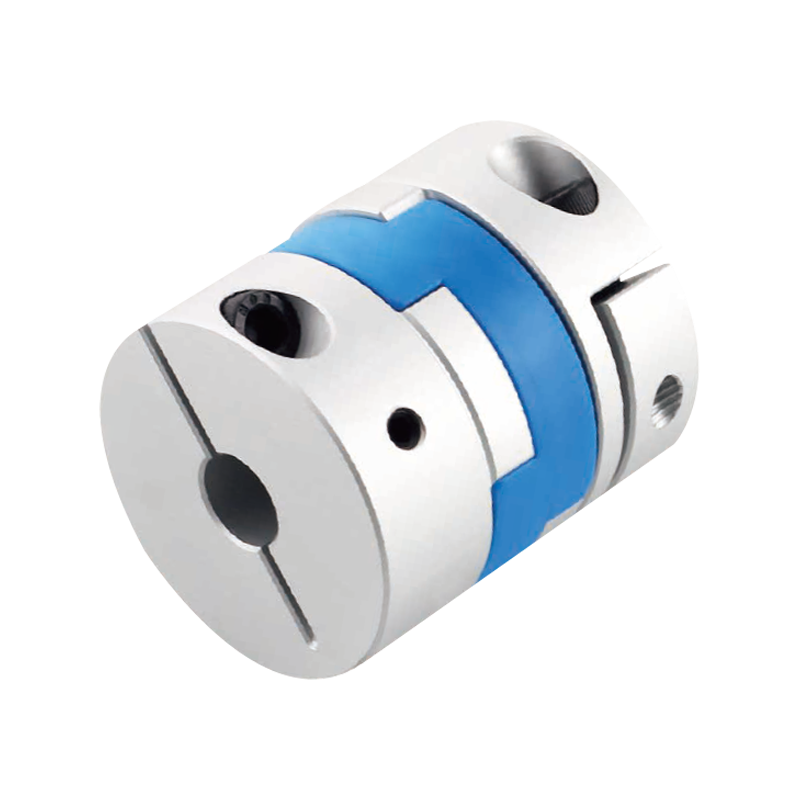
A Ball Nut Housing gives the nut a mounting structure and ties it to the surrounding machine frame. Picking a housing is not just a matter of checking whether the nut can physically slide inside it.
The housing also has to work alongside the screw assembly, the mounting method, the space available around it, the direction of travel, and the working conditions it will face on the floor. A mismatch can turn a routine installation into a frustrating one, and it can introduce play between parts that should stay tight against each other.
For equipment builders, this makes housing selection something closer to a full assembly decision, not a quick purchase of one isolated part.
Why Does the Housing Need to Match the Screw Assembly?
The housing sits at the connection point between the screw-driven motion and the machine structure around it. The screw turns or shifts according to how the equipment is built, while the nut follows the path that motion creates.
The housing keeps the nut tied to the surrounding frame so the movement can actually reach the machine and do useful work. When these pieces are not thought through together, even a well-made screw and nut pair can be awkward to fit into place.
| Assembly Area | Matching Consideration |
|---|---|
| Screw | Needs to suit the chosen nut |
| Nut | Needs a housing structure that fits it |
| Housing | Should match the mounting arrangement |
| Machine frame | Needs a workable attachment area |
| Moving section | Needs room for normal travel |
Picking the housing only after understanding how the full assembly will be used tends to avoid the common trap: a housing that fits the nut but refuses to sit properly in the machine. It also gives a designer a clearer picture of how much space the assembly will actually take up once installed.
A working selection process usually starts at the movement system itself and moves outward toward the machine frame, rather than the other way around.
What Should Be Checked Before Selecting a Ball Nut Housing?
The physical shape of the nut is a reasonable starting point for any check. The housing needs to hold that shape without twisting it into a position it was never meant to sit in.
The mounting face, the clearance around it, and how it connects to the frame all deserve attention before a final choice gets made. A short checklist can help keep the process from turning into guesswork.
| Item to Check | Why It Matters |
|---|---|
| Nut shape | Sets the basic housing arrangement |
| Mounting direction | Affects how the assembly connects to the machine |
| Available space | Keeps nearby parts from interfering |
| Screw position | Helps keep a workable assembly relationship |
| Moving path | Leaves room for normal operation |
| Maintenance access | Makes future inspection easier |
Treating the housing as a standalone item tends to backfire once it's mounted. Its position shapes how the whole screw assembly connects to the rest of the machine, so it's worth checking whether the housing can be taken out and put back without dismantling parts that have nothing to do with it.
That question becomes more relevant once the equipment needs regular servicing or part swaps. A housing that fits the assembly well should also make the whole thing easier to understand, install, and look after over time.
How Does a Ballscrew Nut Housing Fit Into the Overall Assembly?
A Ballscrew Nut Housing is commonly used as the structural piece wrapped around a ball screw nut. It gives the nut a fixed position and offers a way to attach the moving assembly to the rest of the machine.
The relationship between the housing and the screw needs to stay steady through the whole movement cycle, not just when the machine is switched off. The nut has to travel along the screw without getting pushed sideways by a mounting arrangement that doesn't quite fit.
| Housing Role | Assembly Function |
|---|---|
| Nut support | Holds the nut in position |
| Machine connection | Links the nut assembly to the moving structure |
| Position control | Helps keep the mounting relationship steady |
| Installation support | Makes assembly and adjustment simpler |
| Maintenance access | Allows inspection or replacement |
The shape of the housing can shift depending on how the equipment is laid out. Some machines only leave a tight pocket of space around the screw, while others call for a particular mounting direction because of how the frame is built around it.
That's part of why a housing should be chosen based on the actual machine layout rather than just matching a name on a spec sheet. Reviewing the full installation area before locking in a choice tends to save time later.
When Would a Lead Screw Nut Housing Be More Appropriate?
Not every screw-driven system uses the same type of nut. A threaded screw assembly operates differently from a ball screw assembly, so the housing needs to suit the nut it is designed to support.
A Screw Nut Housing holds the screw nut and connects it with the machine structure. It needs to maintain a stable mounting relationship, while its shape and surrounding features may differ from those used with a ball screw nut.
| Screw Assembly | Housing Consideration |
|---|---|
| Ball screw system | Match the ball nut shape and mounting arrangement |
| Lead screw system | Match the screw nut shape and mounting arrangement |
| Compact mechanism | Watch the available installation space |
| Larger moving structure | Watch the connection and support arrangement |
| Custom machine | Check the housing against the actual frame design |
Using the housing type that actually matches the nut tends to cut down on unplanned modification once assembly starts. It also lowers the odds of picking a part just because it looks similar to something else on the shelf.
Two housings can look nearly identical side by side while serving completely different nut structures underneath. Screw type, nut design, and mounting method are worth checking together rather than one at a time.
How Does Mounting Direction Affect Housing Selection?
Mounting direction can change how a screw assembly settles into a machine. A housing might need to connect from one particular side, while the frame only offers a narrow strip of usable space in that direction.
The direction the load moves in can also shift where a designer decides to place the housing within the assembly. Even a small change in orientation can eat into the clearance around it.
| Mounting Situation | Design Question |
|---|---|
| Horizontal installation | Is the surrounding space clear? |
| Vertical installation | Can the housing connect securely? |
| Side mounting | Does the frame offer usable access? |
| Compact installation | Can nearby parts move without interference? |
| Enclosed equipment | Can the housing still be inspected later? |
The point is not to force every application into one standard orientation. The housing should sit naturally with how the machine is already built, not fight against it.
Looking at the assembly from a few different angles before installation can reveal interference between the housing, the screw, support parts, covers, and other moving components nearby. This kind of check pays off especially when the screw assembly sits inside tight, compact equipment.
Why Is Alignment Important When Matching the Housing and Screw?
The screw assembly needs a steady relationship with the surrounding frame to work the way it's supposed to. If the housing gets mounted in a way that nudges the nut off its intended path, the assembly can pick up resistance it shouldn't have during movement.
Alignment isn't just a fine detail left for the installer to sort out on the fly. It's part of the matching process itself, and it involves the housing, screw, nut, and nearby supports acting as one connected arrangement rather than separate pieces bolted together.
| Alignment Area | What to Review |
|---|---|
| Housing position | Does it sit correctly on the mounting surface? |
| Screw path | Is the screw free from unnecessary interference? |
| Nut position | Does the nut stay properly seated? |
| Support points | Are surrounding components arranged sensibly? |
| Moving structure | Does it travel without unwanted contact? |
Checking the installation surfaces before the housing goes on is worth the extra minute. Uneven contact or a mounting surface that isn't quite right can shift the final position of the whole assembly.
None of this means every job needs a complicated adjustment procedure. Careful preparation and basic attention to the mounting relationship tend to head off a lot of avoidable problems before they start.
How Should Clearance Be Considered During Selection?
A housing can look like it fits fine while the machine sits still, then run into trouble the moment the assembly starts moving. That gap often shows up because nearby parts are quietly taking up part of the space the movement actually needs.
Clearance deserves attention across the whole travel path, not just at the starting point. The housing itself shouldn't crowd covers, frames, brackets, or other parts that are also moving.
| Clearance Area | Reason for Review |
|---|---|
| Around the housing | Allows installation and inspection |
| Along the screw | Supports unobstructed movement |
| Near the nut | Prevents contact with nearby structures |
| Around mounting points | Provides access for assembly |
| At the movement ends | Helps avoid unwanted interference |
Checking the assembly at several positions along its path, not just where it starts, catches things a single glance would miss. This matters more on equipment with a long travel range or a layout that changes between jobs.
The idea is fairly plain: the housing should take up its own space without crowding anything else nearby. Good spatial planning here also gives technicians enough room to reach the parts they'll eventually need to service.
How Can Material and Construction Choices Affect Housing Selection?
Housing materials and construction styles shift depending on where the assembly ends up working. The choice can hinge on the environment around the machine, the structural demands placed on it, how it gets handled, and how often it needs servicing.
A housing sitting inside a clean indoor machine faces a different set of conditions than one bolted into equipment that deals with dust or gets handled roughly during production.
| Application Condition | Housing Consideration |
|---|---|
| General indoor equipment | Practical mounting and maintenance |
| Dust-prone environment | Protection and cleaning access |
| Frequent operation | Stable connection and sturdy construction |
| Compact equipment | Space-conscious form |
| Custom machinery | Fit with the machine frame |
Choosing a material on looks alone tends to cause problems later. The housing needs to hold up in the environment it's placed in and survive the way it gets handled during installation.
Some manufacturers also look at surface treatment and finishing where the job calls for it. The point is that the housing should suit its surroundings without piling on features it doesn't actually need.
What Role Does Maintenance Access Play in Housing Design?
A screw assembly will likely need inspection, cleaning, adjustment, or replacement at some point during the life of the machine. It helps to think about the housing from a maintenance angle before the equipment is fully built and bolted shut.
A part that's easy to install but hard to reach later on tends to create extra service work down the line, work that could have been avoided with a bit of forethought. A few practical questions can be worth walking through before settling on a housing.
- Can the housing be reached without pulling out parts that have nothing to do with it?
- Can the nut be checked while the machine sits in its normal working position?
- Is there enough room to actually handle the housing during a swap?
- Can nearby covers come off without disturbing the screw assembly itself?
These questions matter more in continuous production settings, where maintenance teams are often working against the clock. Component arrangements that are easy to reach tend to make that work go smoother.
A Ball Nut Housing that fits the screw assembly but blocks the access technicians need may not actually be a fit for the machine as a whole. Housing selection is worth thinking through with both installation day and the years of servicing after it in mind.
How Can Manufacturers Avoid Common Housing Matching Problems?
Many housing problems start well before the part ever reaches the assembly floor. A designer might pick a housing based on the nut's name without checking the mounting structure underneath it.
A purchasing team might order something that looks close enough without reviewing the full screw assembly it needs to pair with. An installer might only discover, once the part is in hand, that the surrounding components leave barely any clearance to work with.
| Common Issue | Better Selection Habit |
|---|---|
| Housing fits nut but not machine | Review the full mounting arrangement |
| Wrong housing type | Confirm the screw and nut pairing |
| Limited installation space | Check the surrounding clearance |
| Difficult maintenance | Review access before assembly |
| Unclear orientation | Define the mounting direction early |
| Assembly interference | Check the full movement path |
Keeping design, purchasing, manufacturing, and maintenance teams talking to each other tends to catch these issues earlier. Each group tends to notice something different about the same part.
A designer usually thinks in terms of layout. A purchaser tends to focus on availability and whether parts actually match. A production team cares about how easy the part is to install on the line, and maintenance staff care about whether they can reach it later without a headache.
Bringing those viewpoints together turns the choice of a Ballscrew Nut Housing, Lead Screw Nut Housing, or Ball Nut Housing into part of the broader equipment planning process, rather than a small purchasing decision made in isolation.
keep
in touch.
in touch.
-

Address: No.186 Xianglong Road, Lishui City, 323000 Zhejiang, China
-

E-Mail: lydia@wangong.net
-

Tel: +86-13666550158
Copyright © 2026 Lishui Wangong Precision Machinery Co., Ltd.

Ball Screw Manufacturer