 English
 Português
 русский
 Español
News ·
News ·
News ·
News ·
News ·
News ·
News ·
News ·
News ·
News ·
News ·
News ·
News ·
News ·
News ·
News ·

About us
Our team is proud to offer on time guarantee and product guarantee to customer satisfaction.
Read Morecontact info
- No.186 Xianglong Road, Lishui City, 323000 Zhejiang, China
- +86-13666550158
- lydia@wangong.net
Posted by Wangong
Ballscrew Nut Housing vs Lead Screw Nut Housing: What's the Difference?
Anyone who's ever opened up a CNC machine or a linear actuator and traced the movement back to its source knows a motion system can look deceptively simple from the outside. A screw turns, a nut travels along it, and a connected part follows that movement across the machine. Yet the small components holding these parts in place can shape how the entire assembly actually performs once it's running.
Nut housings are a good example of this. They rarely get much attention during product planning, tucked away as a minor line item on a parts list, but their role becomes obvious the moment a screw and nut need to stay correctly positioned inside a working machine.
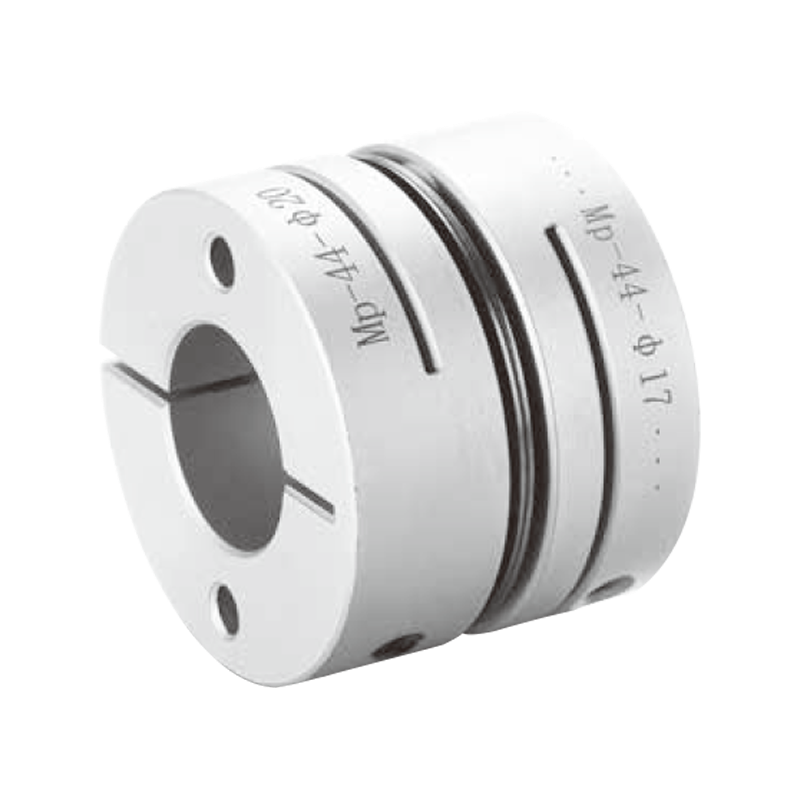
Two common options come up in this conversation: a Ballscrew Nut Housing and a Lead Screw Nut Housing. Both get designed around screw-driven movement, but they aren't necessarily interchangeable, no matter how similar they might look sitting side by side in a catalogue. Their differences trace back to the type of nut being supported, how the assembly gets installed, and what the surrounding machine actually needs from it.
The choice here isn't really about which housing looks more suitable at a glance. It's about finding a housing that genuinely matches the nut, the screw arrangement, the mounting space, and the movement requirements all at once. For equipment designers and purchasing teams, understanding this distinction makes component selection a lot more straightforward down the line.
What a Nut Housing Actually Does
A nut housing gives a screw nut somewhere secure to sit within a larger assembly. The screw itself creates the movement. The nut interacts with the screw and travels along it as the screw turns. The housing connects that nut to the machine structure or whatever moving component it's attached to.
This arrangement lets the nut become a working part of the overall motion system, rather than a loose piece floating around inside the machine. Without suitable support, the nut won't sit correctly within the assembly. Installation gets a lot harder, and the movement of the connected component might not follow the intended path at all.
A housing also creates a more organized connection between the nut and the surrounding structure. Instead of designing a custom mounting arrangement for every single machine from scratch, manufacturers can reach for a housing already built for a particular nut form, which simplifies assembly planning considerably.
The housing still needs to fit the available installation space, though. A suitable internal fit only covers part of the selection process. The outer shape, mounting position, and connection method all need to work together with the rest of the machine, not just with the nut sitting inside.
This is exactly why nut housing selection usually starts with the screw and nut combination, rather than starting with the housing on its own.
How a Ballscrew Nut Housing Differs From a Lead Screw Nut Housing
The main difference starts with the type of nut each housing is actually built to support. A Ballscrew Nut Housing gets designed around a ball-based screw nut. A Screw Nut Housing is designed around a screw nut, which relies on a different contact arrangement between the screw and the nut.
The two housings can look fairly similar sitting in a product catalogue. Both might have a central opening and mounting features that look alike at a glance. But the internal shape and connection area often differ quite a bit because the nuts they're supporting aren't identical in how they actually work.
This distinction matters a lot during assembly. A housing needs to hold the nut securely while still letting the screw operate as intended. If the housing's actually designed for a different nut style entirely, the fit simply won't be appropriate, no matter how close it looks on paper. The difference can also affect how the housing connects to the moving part of the machine.
| Selection Point | Ballscrew Nut Housing | Lead Screw Nut Housing |
|---|---|---|
| Supported component | Ball-based screw nut | Lead screw nut |
| Main purpose | Holds and connects the ball screw nut | Holds and connects the screw nut |
| Installation | Designed around the related nut form | Designed around the related nut form |
| Application focus | Motion systems using ball screw arrangements | Motion systems using screw-drive arrangements |
| Selection approach | Match with the intended ball screw nut | Match the intended screw nut |
This comparison shows clearly why these two terms shouldn't get treated as interchangeable names for the same underlying component.
Why the Type of Screw Nut Matters So Much
The screw and nut work together as a pair, and their relationship determines how movement actually gets created and transferred through the system. A ball screw arrangement uses small rolling elements sitting inside the nut. A screw-drive arrangement uses a different contact method between the screw and nut, relying on direct contact rather than rolling elements.
These different designs create genuinely different housing requirements. The housing needs to accommodate the physical form of whichever nut got selected, and it also needs to connect that nut to the machine without interfering with its movement in any way.
For designers, identifying the correct nut should happen before selecting the housing. Searching for a generic "screw nut housing" without confirming the nut type can create unnecessary back-and-forth between purchasing teams and suppliers as they work to clarify the required component.
A better approach is giving the supplier information about the screw and nut assembly right from the start. That gives the manufacturer a clear, concrete starting point instead of a vague request.
The same principle applies when replacing an existing housing too. The replacement should get checked against the nut already installd, rather than picked based purely on appearance. Small differences in shape can genuinely matter once installation actually begins.
When a Ballscrew Nut Housing Makes More Sense
A Ballscrew Nut Housing normally gets considered when the machine uses a ball screw nut specifically. This type of arrangement often shows up in motion systems where controlled screw movement matters a lot — precision equipment, for instance, where consistent positioning counts. The housing provides a practical connection between the nut and the machine structure supporting it.
The application itself should still guide the choice here, though. A designer needs to think through how the nut gets mounted, how the connected part actually moves, and how much space is available around the whole assembly.
The housing shouldn't create unnecessary restrictions around the screw either. Installation access deserves consideration too — a housing that fits the nut perfectly but proves difficult to install can cause real headaches during assembly or later maintenance work.
Buyers should look at the entire mounting arrangement rather than evaluating the housing as some isolated component sitting on its own. It also helps checking whether the housing supports the desired mounting orientation. Some machines have genuinely limited space around the screw, so the housing needs to work within those physical restrictions rather than fight against them.
This matters especially when modifying an existing machine, where the available mounting points are often already fixed and can't easily shift.
When a Lead Screw Nut Housing Makes More Sense
A Screw Nut Housing is designed for a screw nut and is worth considering when a motion system uses this type of screw arrangement. Lead screw systems show up in plenty of machines where straightforward screw-driven movement is what's actually needed, without the added complexity of a ball-based arrangement. The housing provides a way to secure the nut and connect it with the moving structure around it.
The selection process stays fairly similar to choosing a ball screw housing. The buyer needs to identify the nut, check the installation space available, and understand exactly how the housing will connect to the machine.
The surrounding structure can influence the choice too. A housing might be physically suitable on its own but still create real difficulties if mounting holes, access areas, or neighboring components don't line up the way they need to.
This is why drawings prove genuinely useful during supplier discussions. A simple assembly drawing can show the screw position, nut location, and available mounting area, giving the supplier a lot more to work with than a product name alone ever could.
For replacement projects specifically, photographs help explain the existing arrangement clearly. They should get used alongside product information, though, rather than serving as the only basis for a selection decision.
How a Ball Nut Housing Differs From the Other Two
The term "Ball Nut Housing" often describes a housing meant to support a ball screw nut. In practical discussions, it can overlap quite a bit with the term "Ballscrew Nut Housing." That said, buyers should still check the product description carefully, since naming conventions tend to vary between different manufacturers.
The important point isn't really the wording itself. The supported nut and mounting arrangement need to genuinely match, regardless of what the product happens to be called.
A Ball Nut Housing can come in different forms depending on the nut shape and the intended installation method. Some designs stay compact, while others offer different mounting arrangements entirely. This is yet another reason to avoid selecting a housing based purely on a keyword search.
For procurement teams, the full assembly deserves consideration as one connected chain:
Screw → Nut → Housing → Moving Structure
Each part has a real relationship with the next one in that chain. If the nut changes, the housing may need to change right along with it. If the machine structure changes, the housing may need reviewing all over again. Thinking about the assembly as one connected system, rather than separate parts, makes the whole purchasing process a lot clearer.
What Buyers Should Compare Before Choosing a Nut Housing
The housing selection process doesn't need to turn complicated. A short checklist helps prevent a lot of common mistakes before they happen.
- Identify the nut type. Confirm whether the machine uses a ball screw nut or a screw nut. This needs establishing before selecting the housing, not after.
- Check the nut shape. Different nuts can have genuinely different external forms, and the housing needs to correspond to whichever nut got selected.
- Review the mounting arrangement. Look at exactly where the housing will connect to the machine. The mounting area should offer enough room for both installation and later maintenance.
- Consider the available space. Measure the surrounding area as part of the design review, since nearby components can affect how the housing actually gets installed.
- Check the screw position. The housing should keep the nut correctly aligned with the screw arrangement, and the surrounding machine structure should support that positioning properly.
- Think about maintenance. If the nut will need inspecting or replacing down the line, access to the housing becomes genuinely important to plan for now.
- Discuss the application with the supplier. Providing drawings, photographs, and basic application information cuts down on uncertainty during product selection considerably.
These steps stay fairly simple, but they prevent a component from getting selected just because it looks visually similar to another product on a shelf.
How Buyers Can Avoid Common Housing Selection Problems
Many problems here start with incomplete product information passed along to a supplier. A buyer might know the screw type but not the exact nut form. Another buyer might have the correct nut identified but very limited information about the mounting area itself. In both cases, the supplier usually needs to ask several follow-up questions before confirming the appropriate housing.
Another common issue is assuming a Ballscrew Nut Housing and a Lead Screw Nut Housing can get swapped simply because their outer shapes look similar sitting next to each other. The housing is part of a complete assembly, though. Compatibility matters a lot more here than appearance ever does.
Replacement projects can be particularly sensitive to this exact issue. An existing machine often has limited installation space, fixed mounting points, and surrounding components that can't easily get moved around to accommodate a mismatched part. A replacement housing should therefore get checked against the existing arrangement carefully before ordering, not after the part arrives and doesn't fit.
Clear product drawings help a lot here. Buyers should also avoid swapping out the housing without checking the nut first. If the housing and nut were originally designed to work together as a pair, replacing only one component risks creating a mismatch that shows up later during operation.
Supplier communication makes this whole process a lot easier. Instead of sending a brief request for "a screw nut housing," buyers can explain what type of screw is actually in use, what nut is installed, and how the component needs mounting. That kind of detail gives the manufacturer a genuinely clearer basis for making the right recommendation.
Why the Housing Matters to the Overall Machine Design
A nut housing stays a small part of a much larger motion system, but its position gives it a genuinely important connection role within that system. The screw provides the path for movement. The nut interacts with the screw as it travels. The housing connects the nut to the machine holding everything together.
That relationship means the housing can influence installation, alignment, maintenance, and the overall arrangement of the moving assembly as a whole. For designers, this serves as a reminder that small components deserve real attention during the early planning stage, not just a passing glance near the end of a project.
For purchasing teams, it means product names alone often don't provide enough information to make a confident decision. The difference between a Ballscrew Nut Housing, a Lead Screw Nut Housing, and a Ball Nut Housing all starts with the nut each one's actually designed to support. From there, the mounting arrangement, available space, maintenance needs, and machine structure all become part of the selection process together.
When these factors get considered as one connected picture, the housing becomes a lot easier to evaluate as part of the complete screw-driven assembly, rather than as some isolated component picked in a vacuum.
keep
in touch.
in touch.
-

Address: No.186 Xianglong Road, Lishui City, 323000 Zhejiang, China
-

E-Mail: lydia@wangong.net
-

Tel: +86-13666550158
Copyright © 2026 Lishui Wangong Precision Machinery Co., Ltd.

Ball Screw Manufacturer