 English
 Português
 русский
 Español
News ·
News ·
News ·
News ·
News ·
News ·
News ·
News ·
News ·
News ·
News ·
News ·
News ·
News ·
News ·
News ·

About us
Our team is proud to offer on time guarantee and product guarantee to customer satisfaction.
Read Morecontact info
- No.186 Xianglong Road, Lishui City, 323000 Zhejiang, China
- +86-13666550158
- lydia@wangong.net
Posted by Wangong
What Features Matter in a Linear Guide Rail Heavy Duty?
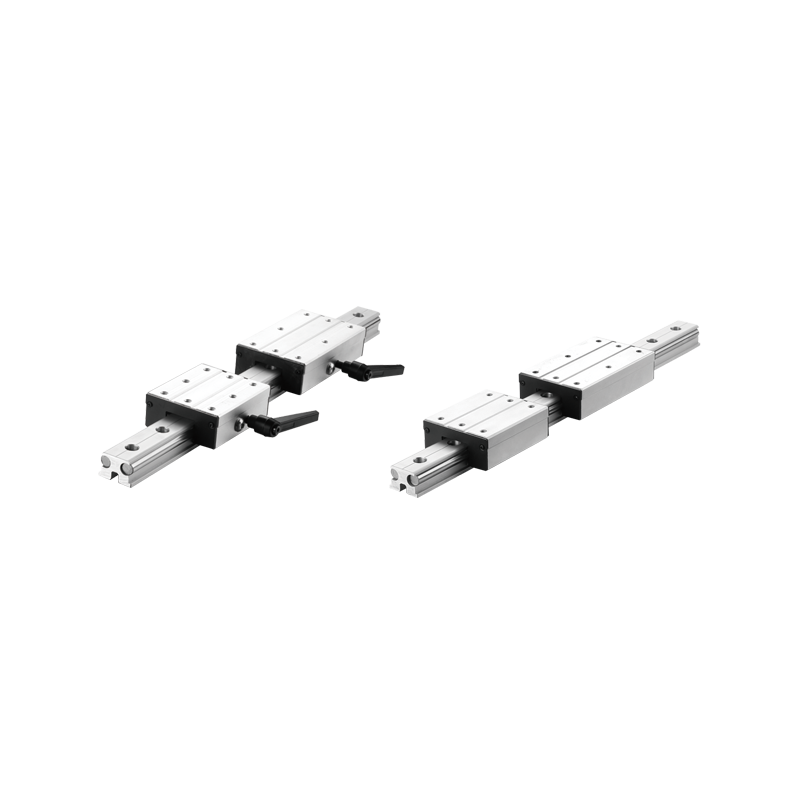
Watching a production line grind to a halt because a guide rail started binding under load, right in the middle of a shift with orders piling up, is exactly the kind of situation that makes engineers a lot more careful about spec sheets the next time around. Many buyers consider whether a guide rail can manage regular movement, carry the actual equipment load placed on it, and maintain reliable operation through long-term use instead of only performing well during an initial period. If you've been searching for what features matter in a Linear Guide Rail Heavy Duty , sorting through what actually counts before ordering saves a lot of headaches once it's bolted into a working machine. A heavy duty linear guide rail supports moving parts that need stable, controlled travel, and its structure, material, and overall design all shape how well it actually performs once it's part of a real equipment system. Understanding these features helps buyers focus on what genuinely matters rather than getting swayed by how polished a product looks sitting in a catalog photo.
Why Does the Design of a Heavy Duty Guide Rail Matter So Much?
The design of a guide rail shapes how it supports movement and interacts with everything else it's connected to.
A heavy duty linear guide rail generally needs to provide steady support while letting moving components travel smoothly across it. The overall structure shapes how well the rail handles repeated movement and shifting working conditions over time.
A few design areas worth paying attention to:
| Design Area | Why It Matters |
|---|---|
| Rail structure | Supports stable movement throughout operation |
| Contact design | Shapes how it interacts with moving parts |
| Surface condition | Affects daily operation and wear |
| Overall construction | Supports different types of applications |
A well-thought-out design helps the guide rail become a genuinely dependable part of the equipment it's installed in. Buyers benefit from thinking about how the rail will actually work alongside other components, rather than treating it as some isolated part sitting on its own.
What Role Does Load Support Play in This Decision?
Load capacity is a key consideration for many buyers when selecting a heavy duty linear guide rail.
Industrial equipment often operates with continuous movement in different working environments, requiring the guide rail to carry moving loads while maintaining steady performance throughout the working process.
A few load-related considerations worth thinking through:
- What the actual equipment demands in terms of support
- How much weight the moving components actually carry
- What kind of operating environment the rail will face daily
- How frequently the equipment runs through its full cycle
A suitable guide rail genuinely needs to match the real demands of its application. Choosing one without considering the actual working conditions tends to create problems once the equipment is running under normal daily load. Understanding expected use ahead of time helps buyers land on a solution that fits.
How Does Movement Stability Affect Overall Performance?
Smooth, steady movement is a genuinely important feature in any heavy duty linear guide rail.
As equipment moves, the guide rail helps control direction and support the moving parts riding along it. That stability shapes the entire experience of operating the equipment, sometimes in ways that only become obvious after months of use.
A few factors tied to movement stability:
| Feature | Influence |
|---|---|
| Structural strength | Helps the rail support movement without flexing |
| Rail alignment | Supports controlled, predictable travel |
| Contact quality | Affects how consistent movement feels over time |
| Installation condition | Shapes daily operation from the start |
A genuinely stable guide rail helps equipment run in a more organized, predictable way. Buyers benefit from thinking about how the rail actually performs during real use, rather than just how it looks sitting alone on a shelf before installation.
What Material Features Deserve Attention?
Material selection shapes how a heavy duty linear guide rail performs across months and years of regular use.
A guide rail needs to interact constantly with moving components while holding onto its intended function the whole time. The material chosen shapes durability, surface condition, and how much maintenance it'll eventually demand.
A few material considerations worth knowing:
| Material Factor | Buyer Consideration |
|---|---|
| Strength | Supports regular, repeated use |
| Surface quality | Shapes how well it handles contact |
| Wear resistance | Relates directly to long-term handling |
| Maintenance needs | Affects how much daily care it requires |
The right material really depends on the specific working environment it's headed into. Different applications call for different levels of support, so buyers benefit from evaluating the actual conditions the guide rail will face once it's installed and running.
How Does Accuracy Factor Into Choosing a Heavy Duty Guide Rail?
Accuracy matters across plenty of equipment applications, sometimes more than buyers initially expect.
A guide rail needs to support controlled movement and help maintain proper positioning throughout operation. The relationship between the rail and whatever's moving along it shapes the final working result in ways that show up directly in product quality or process consistency.
A few accuracy-related features worth considering:
| Area | Importance |
|---|---|
| Position control | Helps maintain consistent movement direction |
| Structural consistency | Supports stable operation over time |
| Installation compatibility | Helps the rail integrate properly with equipment |
| Component matching | Shapes overall function once everything's assembled |
A suitable guide rail genuinely needs to fit the equipment it's paired with. Buyers often end up balancing movement control, practical day-to-day operation, and maintenance requirements together when making this kind of decision.
Why Does Installation Convenience Matter for Buyers?
A guide rail needs to integrate correctly into equipment to actually perform the way it's supposed to.
Installation convenience shapes how much prep time gets eaten up, how much adjustment is needed afterward, and how manageable future maintenance ends up being.
A few installation considerations worth thinking through:
- Compatibility with the existing equipment design
- How easy the rail is to adjust once mounted
- How accessible it stays for future maintenance work
- What kind of handling it demands from whoever's installing it
A product that genuinely fits the working process tends to make both installation and ongoing management noticeably easier. Buyers benefit from thinking not just about the guide rail itself, but about how it fits into the complete equipment system it's joining.
What Maintenance Features Actually Matter Here?
Maintenance plays a genuinely important role in managing industrial components over their working life.
Regular care helps users stay aware of the guide rail's actual condition and keep it running the way it should. A few maintenance-related features worth paying attention to:
| Feature Area | Reason |
|---|---|
| Cleaning access | Helps clear out debris and unwanted material |
| Inspection convenience | Supports regular, easy condition checks |
| Care requirements | Shapes how much daily management it needs |
| Component protection | Helps maintain function over the long run |
A guide rail that fits naturally into normal maintenance routines tends to be a lot easier to manage day to day. Before choosing a product, it's worth thinking through how maintenance will actually get handled once the equipment is up and running regularly.
How Should Buyers Compare Different Heavy Duty Guide Rails?
Comparing guide rails means looking at several factors together rather than fixating on just one standout spec.
A product might have plenty of appealing features listed on paper, but those features only matter if they actually match the application they're going into.
| Consideration | Question |
|---|---|
| Application | Does it genuinely fit the equipment's needs? |
| Movement | Can it support the motion actually required? |
| Installation | Is it suitable for integration into the existing setup? |
| Maintenance | Can routine care be managed without excessive hassle? |
| Environment | Does it match the working conditions it'll face daily? |
Working through comparisons this way helps buyers evaluate products based on actual requirements rather than surface-level impressions. The whole selection process becomes a lot clearer once attention shifts toward how the guide rail will genuinely be used.
What Applications Actually Use Heavy Duty Linear Guide Rail Systems?
Heavy duty linear guide rails show up in equipment where stable movement support genuinely matters to daily operation.
They tend to get considered across different industrial applications needing controlled movement and consistent support throughout a working day.
A few common application areas:
- Manufacturing equipment running continuous production
- Automated systems handling repetitive tasks
- Processing machinery moving material through a line
- Broader industrial movement systems requiring precision
Each of these applications brings its own specific requirements. The guide rail genuinely needs to match the equipment's design, the working environment it's facing, and the movement expectations placed on it. Understanding the specific application allows buyers to identify which features need closer attention during the selection process.
Why Should Buyers Focus on Practical Features Rather Than Appearance?
A heavy duty linear guide rail isn't just a mechanical component sitting inside a machine. It's part of a larger system shaping how equipment actually moves and operates day after day. Features like structural design, load support, material selection, movement stability, installation convenience, and maintenance needs all shape the real user experience far more than how polished a product looks in a catalog. Understanding these factors gives buyers a much clearer way to make informed decisions and choose a guide rail solution that genuinely matches their equipment requirements and the working conditions it'll actually face once installed.
keep
in touch.
in touch.
-

Address: No.186 Xianglong Road, Lishui City, 323000 Zhejiang, China
-

E-Mail: lydia@wangong.net
-

Tel: +86-13666550158
Copyright © 2026 Lishui Wangong Precision Machinery Co., Ltd.

Ball Screw Manufacturer